The Fine Art of Lying
The Fine Art of Lying
A modern alternative to SparkNotes and CliffsNotes, SuperSummary offers high-quality Study Guides with detailed chapter summaries and analysis of major themes, characters, and more.
Summaries & Analyses
Quizzes
NEWReading Tools
Background
Cultural Context: Art Market Secrecy and Sanctions Evasion
The global art market, estimated at over $65 billion annually, has long been criticized for its lack of regulation, making it vulnerable to money laundering, tax avoidance, and sanctions evasion (Boucher, Brian. “The Global Art Market Grew to $67.8 Billion in 2022.” Art Basel). Unlike the banking sector, which is subject to extensive reporting requirements, art transactions have traditionally allowed buyers and sellers to remain anonymous through intermediaries, shell corporations, and offshore holding companies. High-value works of art can be transferred across borders, stored in private warehouses known as freeports, or purchased through nominee companies without publicly identifying true owners. As a result, regulators, journalists, and financial watchdogs have increasingly scrutinized the international art market as a vehicle for concealing wealth and moving assets outside traditional financial systems (“Unveiling the Connection: Ark Market and AML Regulations Demystified.” Financial Crime Academy. 27 May 2026).
This context surrounding the fine art world is central to the plot of The Fine Art of Lying. The character Viktor Semenov, a Russian oligarch, uses a Cypriot holding company named Axion to manage his investments at Gatepost and acquire art through the dealer Gabriel Prévost. Although Viktor and Axion are fictional, Andrews bases this scheme on real financial practices that have repeatedly been exposed in investigative reporting. The 2016 Panama Papers, the 2021 Pandora Papers, and the 2023 Cyprus Confidential investigation each revealed how wealthy individuals—including sanctioned Russian billionaires—used offshore companies, nominee directors, and complex ownership structures to obscure assets from regulators and the public. Following Russia’s 2022 invasion of Ukraine, investigators found that several Cypriot financial firms had continued helping sanctioned oligarchs manage investments, luxury properties, yachts, and valuable art collections despite international sanctions. The novel’s depiction of Axion, run by a lawyer named Peter DeGroot who is a front for Viktor, directly reflects these tactics. Understanding this context illuminates the immense legal and financial risk that Jed uncovers at Gatepost, providing the motive for Tasha Wolfe’s elaborate blackmail plot to ensure his silence and protect her family’s illicit business.
Works of art are particularly attractive for these schemes because they function simultaneously as cultural objects, investment assets, and portable stores of wealth. Unlike cash held in banks, a painting’s ownership can often be obscured while its value appreciates over time. This dual identity—as both artwork and financial instrument—drives the conspiracy in Andrews’ novel. Longfin is a commodity capable of concealing illicit wealth and protecting powerful interests. Understanding the international art market’s persistent struggles with transparency helps explain why the novel’s conspiracy feels plausible and why characters such as Tasha are willing to commit increasingly serious crimes to protect it.
Historical Context: The Pandemic-Era Deaccessioning Controversy
Museums periodically remove works from their permanent collections through a process known as deaccessioning. While museums regularly acquire new objects through purchases and donations, they may also decide that certain works no longer fit their mission, duplicate existing holdings, or require resources the institution can no longer provide. Because museums serve as stewards of cultural heritage rather than private collectors, however, the sale of collection objects has long been one of the most controversial issues in museum ethics. Organizations like the Association of Art Museum Directors (AAMD) have traditional maintained that proceeds from deaccessioned works should be used only to acquire new art, preventing museums from treating culturally significant objects as financial assets.
This debate intensified during the COVID-19 pandemic. As museums around the world faced prolonged closures and several financial loss, the AAMD temporarily relaxed its professional guidance in 2020, allowing institutions greater flexibility to use proceeds from deaccessioned works for the care of their collections (“Updated: Will AAMD’s New Guidelines on Deaccessioning and the Use of Restricted Funds Change the Way Museums Handle Their Collections?” Cultural Heritage Partners. 16 June 2020). Although intended as an emergency measure, this decision sparked a fierce debate across the art world. For example, in October 2020, the Baltimore Museum of Art planned to sell three major works, including an Andy Warhol painting, to fund staff salaries and diversity initiatives (Greenberger, Alex. “Baltimore Deaccessioning Controversy, Explained.” ARTnews. 28 October 2020). After significant criticism from trustees, donors, artists, and museum professionals, the institution ultimately canceled the sale, illustrating the deep divisions surrounding deaccessioning even during extraordinary circumstances.
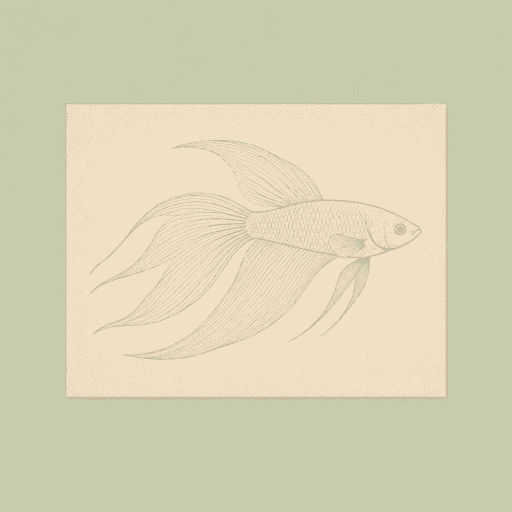
In The Fine Art of Lying, MoCA’s sale of Blake Webley’s Longfin reflects this real-world controversy. Gabriel explains the painting was sold in a “private sale, done quickly and quietly,” noting that the practice became more common during the pandemic when governing bodies “had loosened the rules” (41). This context provides a plausible real-world basis for MoCA’s ethically questionable decision to sell a significant work, grounding a key plot point in a contemporary institutional crisis. More broadly, the controversy highlights one of the novel’s central conflicts: whether works of art should primarily be preserved as part of humanity’s shared cultural heritage or treated as valuable assets whose financial worth can outweigh their public significance. That question echoes throughout the novel, where paintings repeatedly function as both artistic achievements and instruments of wealth, power, and deception.

Get in-depth, chapter-by-chapter summaries and analysis from our literary experts.
- Grasp challenging concepts with clear, comprehensive explanations
- Revisit key plot points and ideas without rereading the book
- Share impressive insights in classes and book clubs