The Fine Art of Lying
The Fine Art of Lying
A modern alternative to SparkNotes and CliffsNotes, SuperSummary offers high-quality Study Guides with detailed chapter summaries and analysis of major themes, characters, and more.
Summaries & Analyses
Quizzes
NEWReading Tools
Themes
Content Warning: This section of the guide includes discussion of graphic violence, death, and sexual content.
Commodification Corrupts Fine Art
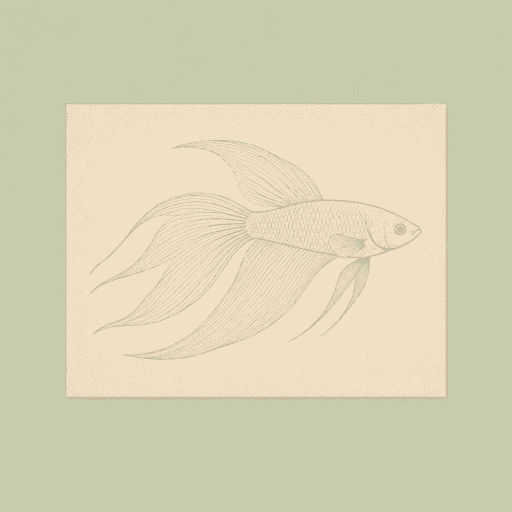
In The Fine Art of Lying, the world of fine art is built upon a fundamental contradiction. Art possesses the capacity to inspire curiosity, preserve cultural memory, and create personal emotional experiences, yet it also exists within an elite marketplace where its value is determined by wealth, prestige, and scarcity. Throughout the novel, Andrews explores the tension between these competing views of art, arguing that once masterpieces become financial assets, they are increasingly treated as commodities rather than cultural achievements. By tracing how a single masterpiece, Blake Webley’s Longfin, becomes a tool for crime, the book argues that the commodification of art by the ultra-wealthy corrupts the institutions meant to protect it and ultimately incites violence. The narrative demonstrates that when art’s value is measured in dollars and strategic advantage rather than emotional resonance, it becomes just another pawn in the cynical games of the powerful.
Initially, the novel presents art as a pure, almost spiritual force in Clare Bast’s life. As a young woman, she found a reprieve from the “sheer everydayness” of her life in her university’s art museum. This connection is deeply personal and visceral; she describes it as an internal “tuning fork” that begins to “hum” (27) when she encounters a powerful work. This metaphor establishes a baseline of what is lost when the art world’s commercial realities intrude. However, her perspective stands in stark contrast to the collectors, dealers, and patrons surrounding her, many of whom evaluate paintings primarily through the language of investment, exclusivity, and market demand. Gabriel Prévost captures this contradiction when he describes the art trade as “an honest racket” (71), acknowledging that prices often rely very little on artistic merit. While Andrews does not argue that commerce and art are inherently incompatible, she does repeatedly demonstrate how financial priorities overwhelm aesthetic ones once market value becomes the primary measure of worth.
This corruption extends beyond private dealers to public institutions responsible for preserving cultural heritage. Museums traditionally exist to safeguard works of art, promote scholarship, and make significant pieces available to the public. In the novel, however, those responsibilities become increasingly subordinate to private influence and financial necessity. The Museum of Contemporary Art (MoCA), a supposedly public trust, proves susceptible to the whims of its wealthy benefactors through its decision to deaccession Longfin. This act is orchestrated by Tasha Wolfe, a powerful board member who manipulates curator Clement Rosier, dangling the museum directorship in front of him to convince him to sell the painting to Gabriel. In this transaction, the museum abandons its cultural mission, effectively turning its collection into a high-end catalog for its wealthiest donors. The institution’s integrity is sacrificed to placate a powerful trustee and secure funding, showing how easily money can compromise artistic guardianship.
The novel’s conclusion broadens this critique by questioning what gives a work of art its value in the first place. The revelation that two versions of Longfin exist forces characters to distinguish between artistic authenticity and financial value. For much of the conspiracy, the original and the forgery function almost interchangeably because the participants are concerned primarily with ownership, insurance, and monetary worth. Once Clare’s expertise as an art historian allows the authentic painting to be identified, suggesting that knowledge, close observation, and historical understanding remain essential in a world increasingly governed by commerce. The novel ends with Longfin’s donation to the Metropolitan Museum, restoring the painting to the public sphere. The masterpiece’s journey from a source of transcendent beauty for Clare, to a motive for murder, and finally to its return exemplifies the novel’s argument that art fulfills its highest purpose when it inspires study, shared experience, and cultural preservation rather than serving as another instrument of wealth and power.
Wealth Shields Criminality
Immense wealth is a shield of impunity in The Fine Art of Lying, allowing the novel’s ultra-rich characters to operate with a sense of untouchable privilege. AAndrews portrays a world where legal, financial, and institutional systems are tools to be manipulated by those with sufficient resources. Through the actions of the Wolfes and the Basts, the novel demonstrates how money, connections, and sophisticated financial instruments insulate the elite from accountability, enabling them to commit fraud, blackmail, and even murder, confident that their power can construct a reality that protects them from consequences.
A recurring feature of this unequal system is the separation of power from responsibility. Wealthy individuals rarely commit crimes directly; instead, they operate through networks of intermediaries, institutions, and legal structures that obscure their involvement. Gatepost’s management of Viktor Semenov’s fortune through Cyprus-based shell companies illustrates how modern financial systems can conceal ownership while preserving plausible deniability. As Jed discovers, these offshore entities, fronted by nominee directors like Peter DeGroot, make it “practically impossible to find out the UBO [ultimate beneficial owner]” (176). Jed notes that hedge funds have far fewer reporting obligations than banks, creating a regulatory gray area that the wealthy exploit. Similarly, Tasha Wolfe carefully positions other people—Gabriel, Clement, Emil, Alec, and even Clare—as buffers between herself and the consequences of her decision. Each layer of separation makes accountability more difficult because responsibility becomes dispersed across employees, corporations, attorneys, and financial instruments rather than resting with the individual directing the scheme. Andrews portrays this diffusion of responsibility as one of the wealth’s greatest protections, allowing those with sufficient money and resources to exercise power while remaining largely invisible.
The novel also explores how privilege shapes the stories society is willing to believe. Clare’s affair quickly becomes more compelling to investigators than the complex financial conspiracy unfolding around Longfin, a fact which shows how personal scandal can distract attention from systemic corruption. Dorothy Bast likewise assumes that her family’s legal connections and social standing will outweigh Clare’s credibility, threatening to weaponize custody proceedings long before any evidence exists that Clare is an unfit mother. Throughout the investigation, appearances repeatedly prove more influential than truth, as expensive lawyers, respected institutions, and polished public reputations lend credibility to those who already possess social power. As a result, Clare, who is married into this system rather than truly being a part of it, struggles to have the real truth believed and understood. Ultimately, the investigation becomes a contest over whose version of events will appear most believable—while the actual truth remains obscured.
Although the novel restores a measure of justice, its resolution shows how existing institutions struggle to hold the wealthy accountable. Tasha’s conspiracy begins to unravel only after Clare abandons passive trust in official investigations and actively challenges the narrative that has been constructed around her. Even then, success depends upon strategic deception, carefully staged evidence, and an understanding of how power itself operates. Andrews therefore offers a qualified rather than optimistic view of justice. Wealth may not guarantee permanent immunity, but it dramatically raises the threshold for accountability by allowing powerful people to shape institutions, conceal responsibility, and influence the stories others accept as truth. The novel ultimately argues that exposing entrenched privilege requires dismantling the systems that allow power to remain hidden.
Motherhood Triggers a Crisis of Identity
The Fine Art of Lying examines how Clare’s particular experience of motherhood—shaped by postpartum depression, professional sacrifice, family pressure, and the expectations imposed by those around her—triggers an identity crisis. Instead of feeling like motherhood has expanded her sense of purpose, Clare comes to believe it has eclipsed the person she once was. Andrews uses this conflict to question cultural expectations that women should seamlessly embrace every aspect of domestic life without mourning the ambitions or identities they leave behind. The novel suggests that denying those losses does not eliminate them; instead, they resurface in increasingly destructive ways until they are acknowledged.
Before becoming a mother, Clare’s identity was intertwined with her passion for art and her academic ambitions. However, after Sadie’s premature birth and weeks in the NICU, followed by her own mother’s death, she finds herself adrift. The intellectual and emotional connection to art that once defined her is gone. She describes feeling like she is wearing a “ridiculous mother mask” to hide her boredom and irritation, and her days have become a mind-numbing routine measured in “goldfish snack packs” (31). Through Clare, Andrews shows how identity can be obscured when an individual feels compelled to perform a role at the expense of other parts of herself.
Clare’s affair with Gabriel Prévost represents an attempt to reclaim that obscured identity. With Gabriel, Clare believes she has reconnected with her “real self,” feeling “alive—truly alive—for the first time in ages” (64). He reintroduces her to the intellectual conversations, artistic passions, and sense of possibility that had largely disappeared from her daily life. However, this affair is not shown as a genuine solution, but instead becomes another performance, requiring Clare to divide herself between incompatible versions of her identity. The deception increases her fragmentation and leaves her increasingly uncertain about which version of herself is authentic. The novel ultimately argues that identity cannot be recovered by escaping one’s circumstances if that escape requires adopting another carefully constructed role.
By the novel’s conclusion, Clare has not returned to the person she was before Sadie’s birth, nor has she rejected motherhood altogether. Instead, she constructs a new identity that allows her professional ambitions and maternal responsibilities to coexist without one erasing the other. Leaving Jed and rejecting Dorothy’s expectations represent a rejection of a domestic structure that required Clare to suppress her individuality to maintain family harmony. The Epilogue depicts her as a successful investigator, an engaged mother, and an independent woman whose identity is no longer exclusively defined by this role. Andrews ultimately argues that Clare’s crisis arises because identities built upon sacrifice alone become unsustainable. Personal growth occurs only when Clare stops performing the life expected of her and begins actively shaping the one that reflects the complexity of who she has become.

Unlock every key theme and why it matters
Get in-depth breakdowns of the book’s main ideas and how they connect and evolve.
- Explore how themes develop throughout the text
- Connect themes to characters, events, and symbols
- Support essays and discussions with thematic evidence