All But My Life: A Memoir
All But My Life: A Memoir
A modern alternative to SparkNotes and CliffsNotes, SuperSummary offers high-quality Study Guides with detailed chapter summaries and analysis of major themes, characters, and more.
Summaries & Analyses
Quizzes
NEWReading Tools
Symbols & Motifs
Content Warning: This section of the guide includes discussion of death, physical abuse, racism, and religious discrimination.
The Weissmann Home
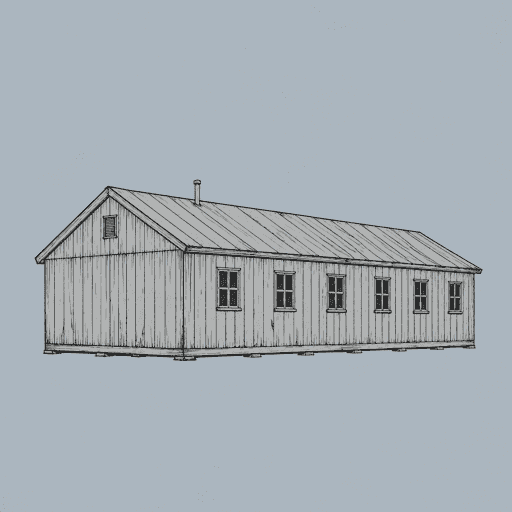
The Weissmann family home, a large, century-old house in Bielitz, is a symbol of childhood security, familial love, and the idyllic life annihilated by the Nazi regime. For Gerda, the house and its sprawling garden represented a sanctuary where tradition and affection were enshrined. Its desecration marked the destruction of her world and the beginning of her harrowing journey. The process was gradual, beginning with the German occupation that made the family “outsiders, strangers in [their] own home” (9). When they were forced from their rooms into the flooded, dark basement, this inversion physically manifested their displacement. Gerda observed Trude, the former laundress’s daughter, moving upstairs and stating, “I am glad that we are having a nice place for Christmas” (33), an observation that underscores the theme of Complicity, Compassion, and Human Ambivalence, as former neighbors became complicit in the family’s dispossession. The final departure for the ghetto completes the symbol’s arc. Gerda’s secret farewell to the garden, where every tree and path held a memory of her brother and her youth, was a farewell to childhood itself. Carrying only a pot of chives under which their last jewels were buried, the family took the last remnant of their home with them.
The Ski Boots
Julius’s insistence that Gerda wear her heavy ski boots is a symbol of paternal foresight, protection, and the endurance necessary for survival. In a moment of prescience on the day of their final separation, her father commanded her to wear the boots, despite the June heat. “I want you to wear them tomorrow,” he said, and Gerda reflects, “[H]ow could he possibly have known? Those shoes played a vital part in saving my life” (86). The boots functioned as a tangible extension of her father’s love and a physical manifestation of her promise to him to live. Throughout the death march, they contrasted with the inadequate footwear of others, many of whom left “a bloody trail in the fresh snow” or developed debilitating frostbite (182).
The boots not only protected Gerda from the elements but also served as a secret repository for her most precious possessions: the photographs of her family and the packet of poison. They simultaneously preserved the memories that fueled her will to live and contained the means of ultimate escape, representing Hope Sustained by Memory and Vows. In the final days of the march, when an SS woman ordered her to give them up, the threat of losing this final link to her family gave Gerda the “new determination” to appear strong enough to continue, ultimately saving her from being sent with a doomed group.
Photographs and Letters
Throughout All but My Life, photographs and letters function as a motif representing the desperate attempt to maintain human connection, memory, and hope against the forces of annihilation. In the early days of the occupation, Arthur’s letters from Russia were a source of profound joy because they constituted tangible proof that he was alive, giving the Weissmanns a reason to sustain their hope. Gerda’s discovery of his final, strained message on a “frayed, dirty piece of paper” signified the deterioration of his circumstances and the dimming of that hope (131).
The motif also explores the complexity of truth and deception in wartime. Gisa fabricated news from Arthur to comfort Gerda’s parents, while Gerda, in turn, hid her knowledge of this deception, creating a tacit agreement to curate hope to comfort Gerda’s parents. The most devastating communication is the letter from Gerda’s friend Erika, a testament to atrocity that complicates the motif’s relationship to connection by associating it with the shared witnessing to trauma.

Unlock the meaning behind every key symbol & motif
See how recurring imagery, objects, and ideas shape the narrative.
- Explore how the author builds meaning through symbolism
- Understand what symbols & motifs represent in the text
- Connect recurring ideas to themes, characters, and events