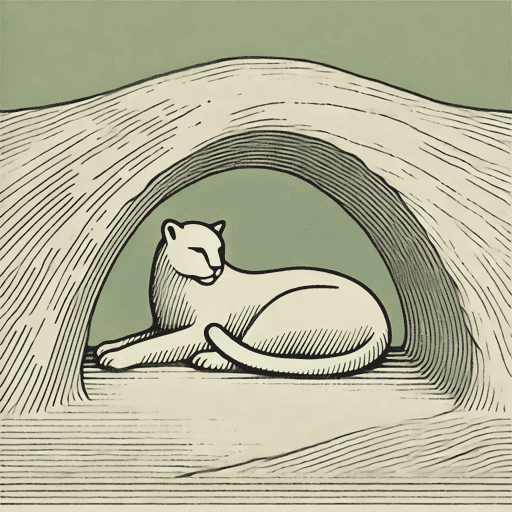
Open Throat
Open Throat
A modern alternative to SparkNotes and CliffsNotes, SuperSummary offers high-quality Study Guides with detailed chapter summaries and analysis of major themes, characters, and more.
Summaries & Analyses
Quizzes
NEWReading Tools
Essay Topics
How does Henry Hoke construct a stream of consciousness narrative through an animal’s eyes? What literary techniques does he use, and what are the impacts of these techniques?
The narrator encounters two male mountain lions, each of whom has a starkly different reaction to them. Compare and contrast the narrator’s father and the Kill Sharer. How are they different or similar in their characterization, and in their impact on the narrator’s life?
The man with the whip is the primary antagonist of the novel. How is h characterized? How do the actions of the man with the whip influence the narrator’s view of people and society?
Analyze Little Slaughter’s characterization and role in the text. How is she different or similar to the narrator in terms of motivation and character arc? What is her wider significance in the novel?
How does the novel examine the importance of environment, and the different ways people and animals can experience the same environment? How does the narrator’s relationship with their environment change over time?
Analyze the depiction of gender and sexuality in the text. How does Open Throat explore these elements through the narrator’s story and via the human characters?
The novel gestures toward various forms of discrimination, such as gender discrimination and class discrimination. What does the novel suggest about the nature of discrimination and its impacts?
As the narrator ventures further from the park, they encounter new people and experiences. In what ways the novel conform to, or diverge from, common tropes in the coming-of-age or self-discovery narrative?
Compare and contrast the roles the narrator’s parents had in influencing the narrator’s character. In what ways do their legacies manifest in the narrator’s decision-making and/or perspective over the course of the novel?
Compare and contrast Open Throat with another novel that features animal protagonists and perspectives, such as Richard Adams’s Watership Down (1972) or Natsume Sōseki’s I Am a Cat (1906). How are the texts different or similar in how they use animal characters to offer commentary on human society?

Get in-depth, chapter-by-chapter summaries and analysis from our literary experts.
- Grasp challenging concepts with clear, comprehensive explanations
- Revisit key plot points and ideas without rereading the book
- Share impressive insights in classes and book clubs