The Last Picture Show
The Last Picture Show
A modern alternative to SparkNotes and CliffsNotes, SuperSummary offers high-quality Study Guides with detailed chapter summaries and analysis of major themes, characters, and more.
Summaries & Analyses
Quizzes
NEWReading Tools
Symbols & Motifs
The Picture Show
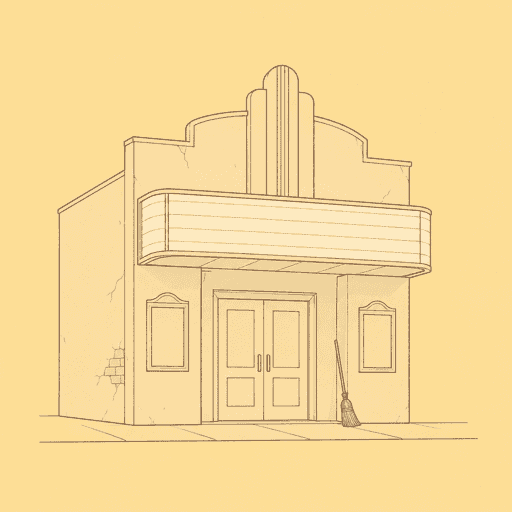
The picture show is a symbol of the death of the American dream and the collapse of a shared communal fantasy, developing the theme of The Revealed Illusion of the American Dream. As the town’s only movie theater, it functions as Thalia’s last connection to the romanticized myths of heroism, love, and adventure that were once a core part of the American identity. McMurtry uses its closing as a metaphor for the death of the mythology of the rugged individualism of the American West as the counterculture movement of the 1960s rises. The end of the picture show also addresses the advent of television and the general modern withdrawal from communal life.
The theater is owned by Sam the Lion, the character who acts as the story’s link to the Old West, and its fate is tied to his. After his death, its decline accelerates, as his successors lack the spirit to sustain it. Miss Mosey laments, “If Sam had lived, I believe we could have kept it goin’, but me and Jimmy just didn’t have the know-how” (234). Her comment suggests that the theater, like the frontier myth it represents, required a certain kind of old-fashioned character to keep it alive. The theater’s final closure marks the definitive end of an era for Thalia, leaving the town without its central source of communal dreams. The naked, empty posterboards at the end of the novel represent a town, and a country, stripped of its mythology and forced to reckon with a complex, modern reality.
The Wind and Dust
The constant, oppressive wind and swirling dust surrounding Thalia are a motif that establishes the crushing physical and psychological atmosphere of Thalia. The novel presents this environment as more than background weather; it illustrates the emptiness and desolation of the town, contributing to the theme of How Purposelessness Leads to Moral Decay through its relentlessness. The novel opens with this imagery, as Sonny reflects that a “cold norther was singing in off the plains, swirling long ribbons of dust down Main street” (1). This introduction immediately grounds the narrative in a harsh, scoured landscape that mirrors the emotional barrenness of its inhabitants. The dust infiltrates every space, a tangible manifestation of the decay that is settling over the town’s economy, its social structures, and its moral life, wearing down the characters and fueling their desperate, often cruel, attempts to feel alive. The wind is a constant, monotonous song of hopelessness, and the dust is the grit of a world that is slowly, inexorably falling apart. The characters’ inability to escape this bleak atmosphere emphasizes the futility of their dreams and the suffocating nature of their existence, contributing to the novel’s exploration of morality and purposelessness in the declining community.
The Poolhall
The poolhall is a symbol representing the death of the mythology of American masculinity and the last vestige of the frontier values embodied by its owner, Sam the Lion. In a town defined by economic stagnation and social decay, the poolhall offers a fragile sense of order, ritual, and male community. It is a space where codes of conduct, however informal, are understood, and skill at pool provides a fleeting measure of worth. Sam, a former rancher and the town’s moral center, maintains the hall as a refuge for the local boys, offering them guidance and a connection to a heroic past that has been revealed to be a hollow mythology.
After Sam dies and Sonny inherits the place, the poolhall becomes a static monument to the past. The boys find that without Sam, the space has lost its meaning; as Sonny and Duane reflect after their trip to San Francisco, “The poolhall was quiet and empty, and there was not a great deal to do” (167). This emptiness signals the revealed illusion of the American dream: The spirit that once animated the masculine world of Thalia is gone, leaving behind only a building full of silent tables and revealing its superficiality.
Billy’s Broom
Billy’s broom is a symbol of the town’s meaningless and futile activity in the face of irreversible decay. As Thalia’s most innocent resident, Billy’s primary action is sweeping, and although he is hired to do the floors in Sam the Lion’s businesses, he expands his duties to encompass the whole town. He is a figure driven by a compulsion to impose order, sweeping not just floors but also “right down the middle of the highway into the gusting wind” (1). His sweeping is an endless, Sisyphean task that accomplishes nothing; the dust he clears is immediately replaced by more dust blown in by the ever-present wind.
This repetitive, aimless motion mirrors the lives of Thalia’s other residents, who fill their days with empty rituals, affairs, and casual cruelty to distract themselves from their own purposeless stagnation. Billy’s devotion to his pointless task is both tragic and absurd, reflecting the town’s larger inability to create anything of lasting value. The broom also shows a desperate attempt to keep up appearances and maintain order against the forces of chaos and decay, reflected in the other residents’ activities like football games and religious revivals. In the desolate landscape of Thalia, however, it is an act utterly disconnected from any meaningful outcome, a metaphor for how purposelessness leads to moral decay.

Unlock the meaning behind every key symbol & motif
See how recurring imagery, objects, and ideas shape the narrative.
- Explore how the author builds meaning through symbolism
- Understand what symbols & motifs represent in the text
- Connect recurring ideas to themes, characters, and events