The Museum of Innocence
The Museum of Innocence
A modern alternative to SparkNotes and CliffsNotes, SuperSummary offers high-quality Study Guides with detailed chapter summaries and analysis of major themes, characters, and more.
Summaries & Analyses
Quizzes
NEWReading Tools
Book Club Questions
General Impressions
Gather initial thoughts and broad opinions about the book.
1. Do you see Kemal as a tragic hero, or as a more problematic figure? How did you feel about his actions and the way he presents himself to the reader as the novel progressed?
2. Many of Orhan Pamuk’s novels, like Snow and My Name is Red, touch on the cultural tensions in Turkish identity. How do you feel this novel fits into that aspect of his oeuvre?
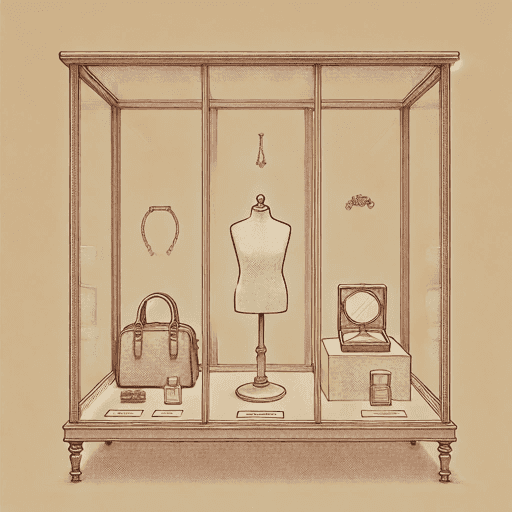
3. What do you think about Pamuk’s impetus to build a Museum of Innocence in the real world? Would you be compelled to visit it after reading this novel? How does its existence affect your experience of the story?
Personal Reflection and Connection
Encourage readers to connect the book’s themes and characters with their personal experiences.
1. Kemal’s crush on Füsun turns into an obsession that significantly impacts her life. Have you ever had an intense crush on someone? How did you deal with that crush?
2. Kemal uses Füsun’s belongings as mementos to evoke her presence. Do you have any keepsakes or belongings that you hold on to as a reminder of someone special in your life?
3. Kemal suggests a way of looking at time in the Keskin residence that corresponds to Aristotle’s notion of the present moment. Are there certain places that make you lose your sense of time? How does being in this place make you feel?
4. How do you personally define love? Do any of the relationships in the novel pass or come close to meeting your criteria for love? Why or why not?
Societal and Cultural Context
Examine the book’s relevance to societal issues, historical events, or cultural themes.
1. The novel explores the clash between Turkish religious tradition and Western aspirations of modernity. How does this impact gender dynamics in the novel? Do you see parallels between the way women are treated in the novel and the gender roles of your own time and place?
2. The novel also critiques marriage as an economic proposition by looking at relationships between people in different economic classes. Does class still have an impact on romance today? What other factors impact modern marriages?
Literary Analysis
Dive into the book’s structure, characters, themes, and symbolism.
1. The novel alludes to the religious story of Abraham. How does the story reflect the novel’s larger themes about love, mercy, and/or sacrifice?
2. Consider some of the minor characters, such as Mehmet and Nurcihan. How are they characterized? How do they provide a contrast to, or a commentary on, Kemal’s relationships?
3. Kemal is often an unreliable narrator. What literary techniques does Pamuk use to shape Kemal’s style of narration? What aspects of his narration reveal his unreliability?
4. Compare the Basmacı and Keskin families. How does the novel use the two families to explore issues of class and power dynamics?
Creative Engagement
Encourage imaginative and creative connections to the book.
1. Kemal calls for the creation of smaller themed museums at the end of the novel. If you could create your own museum, what would be the guiding theme that determined its exhibitions?
2. Using the novel’s distinction between art films and commercial films, how might you try to adapt this story into a film? Would you try to make it more palatable to everyday audiences, or would you lean into more experimental or aesthetic elements?

Unlock all 66 pages of this Study Guide
Get in-depth, chapter-by-chapter summaries and analysis from our literary experts.
- Grasp challenging concepts with clear, comprehensive explanations
- Revisit key plot points and ideas without rereading the book
- Share impressive insights in classes and book clubs