The Museum of Innocence
The Museum of Innocence
A modern alternative to SparkNotes and CliffsNotes, SuperSummary offers high-quality Study Guides with detailed chapter summaries and analysis of major themes, characters, and more.
Summaries & Analyses
Quizzes
NEWReading Tools
Chapters 65-83Chapter Summaries & Analyses
Content Warning: This section of the guide includes discussion of mental illness, gender discrimination, death, sexual content, emotional abuse, and death by suicide.
Chapter 65 Summary: “The Dogs”
In December 1979, Füsun places a dog ornament atop the television, evidently to expose Kemal for taking various trinkets from their house. Kemal takes the ornament but comes up with an excuse to replace it with one that Nesibe admires.
In 1980, Nesibe reveals that the replacement ornament Kemal had given her has disappeared. Kemal replaces it with two more dog ornaments and does not steal them again for another two years, after which he starts leaving money behind to compensate his relatives.
Chapter 66 Summary: “What Is This?”
On their way home from the Keskins’ house one night, Kemal and Çetin are stopped by soldiers and made to undergo inspection. A soldier uncovers a quince grater that Kemal had stolen from the Keskins’ kitchen. Kemal claims it belongs to him, fearing that the soldier will immediately deduce his obsession with Füsun. The fear prevents him from saying anything else, eliciting the soldier’s suspicion. Çetin intervenes to save him. The soldier confiscates the grater, causing Kemal to imagine it being handled by other soldiers. Eventually, Kemal convinces the soldier to give it back.
Chapter 67 Summary: “Cologne”
Feridun informs Kemal that he has written a screenplay for a new commercial film that will sustain him while he continues to work on the rewrites for the art film. The new film, entitled Broken Lives, will star Papatya and Tahir Tan and concerns a girl who takes revenge on the rich man who abandoned her by becoming a singer. Kemal hates everything about the film, but agrees to produce it to satisfy Feridun.
Broken Lives enters production immediately. Initially, Feridun faces the challenge of getting amateur extras to cooperate with the scene, but they fall in line once Papatya begins performing, proving her star power.
Kemal begins to suspect that Feridun and Papatya are having an affair, which he worries Füsun will learn about from the tabloids. After Tarık starts asking Kemal for financial advice, Kemal discreetly starts leaving money behind at the Keskin residence to support the family and replace their stolen objects. Over time, Kemal resigns himself to the idea that both he and Füsun no longer have any future to look forward to. Füsun’s parents sense her bitterness toward Kemal.
Chapter 68 Summary: “4,213 Cigarette Stubs”
Kemal’s collection includes over 4,000 cigarette stubs that Füsun had smoked over the eight years he visited her. He discusses them as a catalogue of Füsun’s smoking habits and how they revealed her mood in each moment. He relates them again to the Aristotelian idea of the present moment. Over time, Kemal needs only to look at his collected objects to evoke Füsun’s essence.
Chapter 69 Summary: “Sometimes”
Kemal catalogues life in the Keskin household, reflecting his integration into their family life and the happiness it made him feel.
Chapter 70 Summary: “Broken Lives”
Due to the curfew, Feridun ends up staying on set overnight instead of coming home. One night, he returns home drunk and has a long conversation with Füsun, leading Kemal to suspect that Feridun may have finally confessed his affair with Papatya. Feridun eventually moves out of the Keskin house.
Weeks later, neither Kemal nor Füsun attends the premiere of Broken Lives. Instead, Kemal has dinner at the Keskin residence, ignoring the topic of the new film. Broken Lives is critically panned, but emerges as a commercial hit owing to Papatya’s musical prowess. Kemal breaks out as a film producer, and Papatya breaks out as a professional musician.
A sequel to the film is greenlit and immediately enters production. Papatya deftly leverages the rumors of her romantic life to boost her star profile.
Chapter 71 Summary: “You Hardly Ever Come Here Anymore, Kemal Bey”
Zaim meets with Kemal to discuss the possibility of a new Meltem advertising campaign featuring Papatya. When Zaim alludes to Füsun, Kemal talks about his plans to marry her and reenter their social circle. Soon after, Zaim makes a condescending remark about Papatya’s class status, which subtly extends to Füsun as well.
Zaim reveals that Meltem performs poorly in Istanbul. He plans to debut Papatya’s professional engagement with Meltem at the wedding party of Mehmet and Nurcihan, causing Kemal to realize that he hasn’t been invited to the wedding. Zaim tries to console Kemal by reminding him that Nurcihan and Sibel are best friends, but this only makes Kemal feel that his social circle values Sibel more than him. Zaim defends Sibel as the wronged party who deserved everyone’s sympathy. This only upsets Kemal further, causing them to part on bad terms.
Kemal realizes his distance from his former social circle, especially when he later learns from Mehmet that Zaim and Sibel are dating.
Chapter 72 Summary: “Life, Too, Is Just Like Love…”
By 1983, Kemal resigns himself to the state of his life. Füsun gets excited when the local arts channel programs a film marathon starring the recently deceased Grace Kelly. Kemal joins the family to watch Rear Window, but associates it too much with the early days of his affair with Füsun, evoking his anxiety from that time. Kemal describes it as being in a dreamlike state, akin to an out-of-body memory.
Füsun observes that Kemal is feeling unwell, prompting Kemal to ask if anything has changed in the house. The family tells him they have only moved their canary so that Füsun can paint it. When Kemal sees the painting, he compliments it as her best work yet. Füsun explains that she will paint the canary perched before the window, having chosen to do so of its own volition.
Kemal proposes to Füsun that they finally enter a formal relationship. Füsun does not give him a direct answer. Later that week, after the Grace Kelly film begins with a preamble mentioning her death in a car accident, Füsun tells Kemal that what she envies most about Kelly is that she could drive. Kemal offers to help her get her driving license.
Chapter 73 Summary: “Füsun’s Driving License”
Kemal starts teaching Füsun how to drive. Füsun commits herself to studying road rules, but easily becomes anxious and frustrated when practicing on the road. Kemal struggles to restrain his lust for her. The few times that Kemal makes a move, Füsun declines his advances.
Two months later, Kemal and Füsun go through the tedious process of collecting the documents required to apply for Füsun’s license. These excursions bring them closer together as they mix with the city’s ordinary people and experience the same inconveniences they do. Füsun is especially determined not to employ any shortcuts, like bribes, to procure her license.
Füsun passes her written driving exam, but fails the practical test, which the examiners rig to coerce her into offering a bribe. After she fails her second attempt at the test, Füsun becomes determined to pass on her own accord. Before her third exam attempt, Füsun and Kemal go swimming in the Bosphorus. Füsun swims far out into the current, prompting Kemal to swim after her and draw her back. Kemal realizes how far they’ve gotten from the world they know.
Füsun fails her third and fourth exam attempts. They once again cool off in the Bosphorus, spending more of their time that summer there. On one occasion, they are spotted by an acquaintance from Kemal’s former social circle. Kemal feels ashamed that neither he nor Füsun looks particularly happy. Füsun finally passes her exam after three more attempts.
Chapter 74 Summary: “Tarık Bey”
In 1984, Kemal sees that the Şanzelize Boutique has closed, leading him to worry that the world has moved on before his life with Füsun has even begun.
In March, Kemal arrives at the Keskin residence to learn that Tarık has died of a heart attack. Kemal rushes up to console Füsun over her loss, promising her future happiness. She does not believe him. Kemal remains in their house that night to provide emotional support. The next morning, Kemal examines Tarık’s body while the women are still sleeping. He reflects on the distance that characterized their relationship, but also recognizes that Tarık saw his love for Füsun.
When Kemal returns home, he is distraught to learn that Vecihe will not attend Tarık’s funeral because she fears that it will only guarantee his marriage to Füsun. She warns him that Füsun is making a fool of him because she has not shown any signs of reciprocating his love. Kemal listens, but proceeds to the funeral anyway.
Chapter 75 Summary: “The İnci Patisserie”
Nesibe confides in Kemal that although Feridun has ended his affair with Papatya, he and Füsun will separate, making it necessary for Kemal to refrain from visiting in the meantime. Kemal agrees to hand over ownership of Lemon Films to Feridun to placate him. Meanwhile, Kemal and Füsun agree to talk at a patisserie.
Kemal first accompanies Füsun to buy buttons for a dress that Nesibe is sewing. They bump into Ceyda, who compliments them as a nice-looking couple. When they later sit down to talk, Füsun expresses her admiration for Papatya, who worked hard to get what she wanted in life. Füsun then admits that she reciprocates Kemal’s feelings and that she wants Vecihe to seek permission from Nesibe after Füsun’s divorce is finalized.
Füsun claims that she is technically considered a “virgin” because she never had sex with Feridun throughout their marriage. She also asks if they can do a driving tour of Europe before they marry, bringing along Nesibe and Çetin. Kemal happily agrees.
Chapter 76 Summary: “The Cinemas of Beyoğlu”
Füsun and Feridun finalize their divorce. Kemal is skeptical about Füsun’s claim that she and Feridun never had sex, but then he realizes that his constant presence in their lives might have discouraged them from having a happy marriage.
Vecihe accompanies Kemal to the Keskin residence to seek Nesibe’s permission. The two mothers reconcile their differences upon seeing each other. However, on their way home, Vecihe complains about an offense Nesibe made while Kemal and Füsun were away, flirting with each other. She again cautions Kemal to avoid being poisoned by Füsun’s suffering and advises them to get married immediately.
Instead of visiting the Keskin residence, Kemal continues to meet with Füsun at the cinema. Now they share physical affection with each other and discuss their plans for their upcoming trip. They agree to marry immediately after the trip ends. Kemal observes melancholy in Füsun, but Füsun dismisses his concern.
Later, on their way to apply for passports, Füsun expresses her reluctance to follow through with the trip. Kemal reassures her, and after she is called in for an exhaustive visa interview, she reiterates her reluctance more strongly. Nevertheless, Kemal procures her passport.
Chapter 77 Summary: “The Grand Semiramis Hotel”
In August, Kemal, Füsun, Nesibe, and Çetin set out for Europe, stopping at the Grand Semiramis Hotel outside Babaeski. In the dining room, Kemal reveals that he has bought surprise engagement rings for himself and Füsun, and that their dinner will serve as their engagement party. After Çetin and Nesibe announce they are retiring for the night, Kemal asks for the car keys so that he can retrieve his book.
Kemal reveals to Füsun that he wants to go on a joy ride with her. Füsun is reluctant, considering how much alcohol they have had over dinner, but Kemal insists that he is fine. Füsun refuses the ride but agrees to sit with Kemal at the table longer. They carry on in cold silence, during which tension arises between them. Füsun returns to her and Nesibe’s room, sending Kemal back to his room.
Chapter 78 Summary: “Summer Rain”
Füsun knocks on Kemal’s door, having been locked out of her room by Nesibe. They have sex for the first time in years. Kemal wakes up at the sound of thunder outside and sees that Füsun is awake as well. They lie together, intermittently kissing before they have sex a second time. He catalogues the gestures that remind him of the sex they had when their affair began.
Kemal wakes again after the rain has stopped. Füsun gets up to look for water, promising to return with bottles. Kemal falls asleep again.
Chapter 79 Summary: “Journey to Another World”
Kemal wakes up later to find that Füsun has not yet returned. He follows her down to a bench, where he sees that she has been drinking alcohol. Füsun is evasive when offered Kemal’s affection. She accuses Kemal of having no real intention of supporting her dreams. She also confronts Kemal on all the stolen objects, prompting him to admit that he has collected them in the Merhamet Apartments. Finally, Füsun accuses him of robbing her of her “virginity” before marriage, which absolves him of the prerogative to marry her.
Füsun walks away, forcing Kemal to pursue her in the car. As they negotiate over getting in the car, Füsun explains that Kemal and Feridun actively prevented her from pursuing opportunities to establish her film career. She only agrees to get in the car if Kemal allows her to drive.
On the way back to the hotel, Füsun points out that Kemal didn’t notice she was wearing the earring she had lost years earlier. She drives recklessly, causing Kemal to panic. The car crashes, instantly killing Füsun. Kemal remembers that Füsun looked at him before dying, hoping that he would save her. He smiled, believing he would die as well. Kemal survives the crash.
Chapter 80 Summary: “After the Accident”
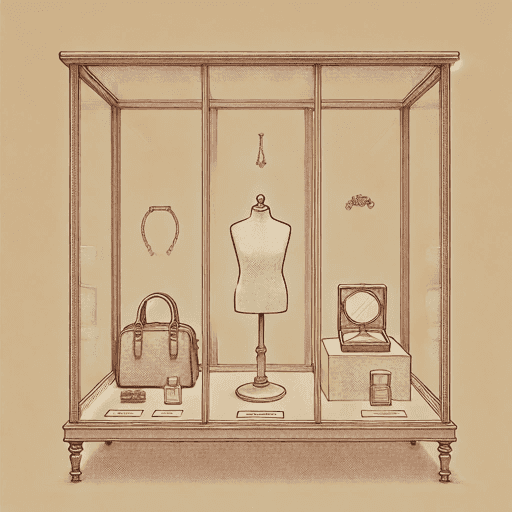
Kemal recovers over the next six weeks, unable to think of anything but Füsun. When he visits the Merhamet Apartments to seek consolation, he gets the idea to start a museum, believing it will reduce his pain to tell his story through his collection.
Kemal reunites with Mehmet, who updates him on his former social circle. Nurcihan and Sibel have fallen out over an insulting remark Sibel made. Though they now have a child together, Mehmet has been losing interest in Nurcihan and is now trying to rekindle their relationship.
Kemal visits Nesibe, and the two grieve over the loss of Füsun. Kemal privately enters Füsun’s room to go through her belongings. In 1986, Kemal finds the earrings Füsun had been wearing during the happiest moment of his life. Nesibe admits that Füsun had gone into their hotel room to put them on before proceeding to Kemal’s room. Füsun had been planning them as a surprise for Kemal.
Chapter 81 Summary: “The Museum of Innocence”
Kemal goes to Paris alone, imagining what it would have been like if Füsun had survived. He visits museums that are dedicated to singular subjects or persons, like Édith Piaf or the police. Their exhibits give him comfort while also inspiring the future layout of the museum he wants to found. He becomes less ashamed of having stolen common items from the Keskin household, knowing he can display them in the museum.
Upon his return to Istanbul, Kemal offers to buy the Keskin house from Nesibe, pitching his idea of a museum that memorializes Füsun. He offers to rehouse Nesibe in a large apartment, which she accepts. Afterward, he returns to France and travels to other countries to do more formal research and planning on the layout of the museum. Back in Istanbul, Kemal finds the wreck of the car that killed Füsun and publicly weeps for the first time.
Chapter 82 Summary: “Collectors”
Kemal divides collectors into two categories: Proud collectors and bashful collectors. Many Western collectors are proud of themselves for their collections, taking every opportunity to reveal how they accumulated their pieces. Bashful collectors, on the other hand, enjoy collecting for its own sake and are wholly embarrassed by the implication that they are trying to accumulate useless things.
Kemal narrates his encounter with a bashful collector in 1992, who confides that people don’t appreciate the value of his film paraphernalia. This collector helps Kemal to fill in the narrative gaps of his collection while also connecting him to other collectors who might do the same. They all understand and relate to his need to collect to heal from some past wound.
Kemal moves into the attic of the former Keskin residence to oversee its conversion into a museum. When Kemal updates Nesibe on the progress for the museum, Nesibe prays that Kemal lives a long life.
Chapter 83 Summary: “Happiness”
Kemal decides that his museum needs an annotated catalogue. He seeks out the famous writer Orhan Pamuk for this purpose, telling him the stories of his travels to various museums around the world. He then tells the story of his relationship with Füsun, prompting Pamuk to recall her from Kemal’s engagement party, which he had also attended.
Pamuk begins planning the novel he will write to meet Kemal’s needs. He informs Kemal that he will write the novel in first-person singular voice, which bothers Kemal since he is unsure that Pamuk can accurately depict his obsession. Kemal asks Pamuk to tell the story of his dance with Füsun at the engagement party. The story wins Kemal over, prompting him to turn over the rest of the narration to Pamuk.
Pamuk assumes his role as the narrator, explaining how easy it was for him to fall in love with Füsun when he danced with her. He had attempted to converse with her, but fumbled his way through their encounter. Füsun eventually excused herself to sit with her parents.
Kemal is satisfied with Pamuk’s story, highlighting the admission of his humiliation before Füsun. Kemal indicates that the true purpose of the museum is to teach people to live with pride in their experiences, no matter how embarrassing they are. Kemal starts to explain his various rules for the museum, including ensuring that the guards are knowledgeable about the exhibits and granting those who come to the museum with the novel free entry. Conversely, Pamuk conducts his own research to fill in the narrative gaps of Kemal’s story. In this way, Pamuk meets many of the supporting characters.
Kemal continues to pontificate on his rules and hopes for the museum, envisioning it as a pillar of Turkish culture that scholars will obsess over in the decades to come. In 2007, Kemal is in Milan when he dies of a heart attack. After the funeral, Kemal’s friends and family seek Pamuk out to correct the record of their depiction, fearing they may be misrepresented in the novel. This includes Zaim and Sibel, who bumped into Kemal in Milan shortly before he died.
Sibel recalls that Kemal looked very unhappy, unrecognizable from how he had been at their engagement party. Sibel later asks Pamuk not to relate any of the things that happened when they were staying at her parents’ house, fearing the embarrassing nature of her actions there. Pamuk later learns that the reason Kemal looked unhappy was that he had come from an exhibit dedicated to Jenny Colon. He resolves to write the story as Kemal had told it to him.
Pamuk recalls that Kemal asked him to end the novel with a direct address to the reader, as Pamuk did in his novel Snow. Showing him a photograph of Füsun that he kept in his jacket pocket, Kemal declared that he “lived a very happy life” (532).
Chapters 65-83 Analysis
Two events precipitate the climax and resolution of the novel surrounding The Devastating Impact of Obsession. The first is the divorce of Feridun and Füsun, and the second is the death of Tarık. The divorce ensures the removal of the final obstruction that prevents Kemal and Füsun from officially pursuing their relationship. The death of Tarık, on the other hand, complicates their romance by underscoring how much time and life have passed in the wake of their first trysts. In the first half of the novel, the death of Mümtaz was an important turning point in Kemal’s life, allowing him to assume his father’s place in his family household while also marking his maturation as an adult. The death of Tarık effectively does the same thing for Füsun, but only makes her realize how much she has squandered her time waiting for her life to begin.
By the time she and Kemal manage to resume their relationship, Füsun is already in her late 20s and nowhere closer to achieving her dream of becoming a film star. By contrast, Papatya has risen to superstardom, despite the fact that her breakout came in Feridun’s commercial film. The dilution of Feridun’s ambition to be perceived as a serious artistic director echoes his decision to enter an affair with Papatya. By forsaking his marriage with Füsun, which represented the fulfillment of his childhood ideal, he prioritizes profit and indulgence, bringing him closer to Kemal by the end of the narrative. Füsun, on the other hand, has no prospect left for her life, other than to marry Kemal. Kemal’s obsession has thus thwarted her ambitions and narrowed her possibilities, reinforcing how destructive their dynamic has been for Füsun.
Under these circumstances, Pamuk frames Füsun’s death as a tragedy caused by Kemal’s failure to consider her needs. Near the end of the novel, Nesibe reveals that Füsun had found the earrings and had merely kept them secret from Kemal, invoking Objects as a Representation of a Lost Past. This recontextualizes the nine years between the day Kemal returned the earrings to Füsun and Füsun’s death. Rather than spurn Kemal for his constant presence, Füsun had committed herself to a life with him, believing he had kept his promise. When she wears the earrings on their last night together, it is to remind him of the earliest days of their affair and to signal her willingness to follow the only life path she has left.
When Kemal fails to notice the earrings while they are having sex, it signals to her that he does not take her values seriously. Just as he neglected her ambitions to pursue further studies and an acting career, Kemal neglects the sign of her commitment to him. His inability to see beyond his own needs and feelings resonates with the moment of Füsun’s death, which Kemal recalls as a split-second moment of Füsun’s reliance on Kemal to save her. Kemal, committed to the idea of death now that he has possessed Füsun, allows her to die. Kemal has cared only for possessing Füsun, not truly loving or nurturing her. In this way, Füsun becomes the ultimate object in Kemal’s collection when she dies, as he can now safely possess the memory of her through his collection without having to deal with the messy reality of her living presence.
There is no sense that Kemal has changed in the wake of his loss. Rather, his obsession only grows through the accumulation of materials that evoke Füsun’s essence, culminating in his acquisition of the Keskin house. The novel exposes Kemal’s solipsism by finally giving voice to Sibel, who possesses an intimate and detached view of her ex-fiancé. Her assertion that Kemal looks deeply unhappy clashes with the very last words of the novel, in which Kemal tries to convince the reader that he has lived a life of joy. The contradiction between these statements invites the reader to take a fuller look at Kemal’s life and consider whether it is more joyful for him to find material substitutes for the presence of someone he was obsessed with, or whether he would have been more joyful spending those years with Sibel in a more mutual dynamic.

Get in-depth, chapter-by-chapter summaries and analysis from our literary experts.
- Grasp challenging concepts with clear, comprehensive explanations
- Revisit key plot points and ideas without rereading the book
- Share impressive insights in classes and book clubs