The Museum of Innocence
The Museum of Innocence
A modern alternative to SparkNotes and CliffsNotes, SuperSummary offers high-quality Study Guides with detailed chapter summaries and analysis of major themes, characters, and more.
Summaries & Analyses
Quizzes
NEWReading Tools
Symbols & Motifs
Content Warning: This section of the guide includes discussion of sexual content, emotional abuse, and death.
Earrings
Earrings are a major symbol of romantic desire and Objects as a Representation of a Lost Past. In the first chapter, Füsun loses one of her favorite earrings while she and Kemal are having sex, a moment that Kemal describes as the single happiest moment of his life. Füsun asks Kemal to find and return the earring to her, with the earring’s retrieval representing a test of Kemal’s devotion to her. If he really loves her, then he will understand how important the earring is to her and hasten to return it.
Kemal tries to replace Füsun’s lost earring with the earrings his father, Mümtaz, intended to give to his mistress. Füsun’s indignant reaction signals her unwillingness to accept anything less than a standard that signals he really cares for her. Consequently, when Kemal manages to return the lost earring, Füsun reconnects with him, allowing him to pursue her again after he has ended his engagement with Sibel. She is unaware that it was actually the maid, and not Kemal, who found the lost earring.
The earrings reappear one more time at the end of the novel when Füsun decides to wear them on the trip to Europe as a surprise for Kemal. When Kemal fails to recognize the earrings, Füsun takes it as a sign that Kemal doesn’t understand her needs or know what it takes to love her well. This aligns with his failure to give her proper support before her university entrance exams or toward her acting career. The earrings expose Kemal for seeing Füsun as a means to an end, not an end in herself. In these ways, the earrings come to represent Füsun’s lost potential and the life she could have lived if she had not fallen into Kemal’s trap.
Museum Collection
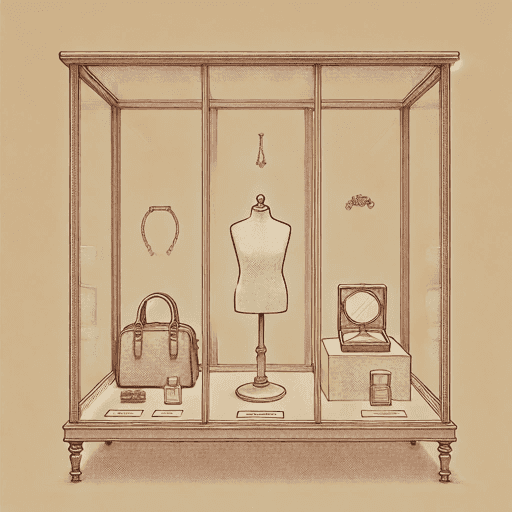
The museum collection is one of the novel’s primary motifs, driving the theme of Objects as a Representation of a Lost Past. The collection begins as an innocuous way to alleviate Kemal’s longing for Füsun in her absence. When Kemal fears that he can no longer see Füsun again, he turns to the objects in the Merhamet Apartment to evoke her essence, allowing him to vividly experience the memory of her presence through sensory stimulation.
As Kemal’s obsession grows, so does his impulse to collect objects that remind him of Füsun’s. By the time he starts visiting the Keskin residence, the impulse escalates into a form of kleptomania. He starts resorting to compensation to alleviate the guilt of exploiting the Keskin family for the benefit of his personal desires. This foreshadows the ultimate act of encroachment and appropriation, which is Kemal’s acquisition of the Keskin house as the venue for his Museum of Innocence. In the wake of Füsun’s death, Kemal reclaims Nesibe’s home space as a memorial to his desires and fantasies. In doing so, he cuts Nesibe off from the last place she considered her family home.
Kemal’s fixation on objects also speaks to the way he objectifies Füsun herself, reducing her to a commodity he wishes to own and control. As he becomes more and more enamored with collecting things that remind him of her, Kemal becomes even more selfish and negligent toward Füsun’s own needs and well-being. His prizing of objects while failing to value Füsun as an individual and true partner reveals the fundamentally exploitative and emotionally empty nature of his obsession.
Paintings
In Chapter 59, Füsun takes up painting as a hobby to pass the time until she can start shooting the film that Feridun wants to make for her. The paintings symbolize Füsun’s ambitions, which become increasingly frustrated as she relies on the men in her life to help her achieve them. To encourage Füsun and prove that he is supportive of her ambitions, Kemal gives her art supplies, which she uses to paint a series of works focused on the bird species of Istanbul. This echoes the support he extends to her as a tutor in preparation for her university entrance exams and as a producer in her nascent film career. To double down on his support, Kemal even suggests bringing Füsun to the museums in Paris to study the works of great artists, signaling his confidence in her talent.
However, in Chapter 64, Kemal revisits the paintings and sees that “the painting’s flaws had become the flaws of the world in which we lived, and it was while examining the dove painting, sadly noting its simplicity, innocence, and lack of sophistication, that I understood this” (371). This marks Kemal’s private loss of faith in Füsun’s talents and potential because he misconstrues it with the sullied reputation they now have in the wake of their publicized illicit affair.
Nevertheless, by Chapter 72, Füsun is still painting. She creates a portrait of the family’s pet bird, which she does not paint from life but imagines in a free state, having perched itself before the window of its own volition. Füsun is directly alluding to her hope of being freed from the gilded cage that she lives in, one where she is detained to live a certain kind of life because of the empty promises of her lover and her husband.

Unlock the meaning behind every key symbol & motif
See how recurring imagery, objects, and ideas shape the narrative.
- Explore how the author builds meaning through symbolism
- Understand what symbols & motifs represent in the text
- Connect recurring ideas to themes, characters, and events