Endling
Endling
A modern alternative to SparkNotes and CliffsNotes, SuperSummary offers high-quality Study Guides with detailed chapter summaries and analysis of major themes, characters, and more.
Summaries & Analyses
Quizzes
NEWReading Tools
Book Club Questions
Content Warning: This section of the guide contains discussion of gender discrimination, graphic violence, and death.
General Impressions
Gather initial thoughts and broad opinions about the book.
1. Endling shifts dramatically from a dark comedy about a kidnapping scheme to a harrowing survival story. How did this tonal shift affect your reading experience, and did you find the blend of satire and tragedy effective?
2. The guide mentions that Maria Reva’s previous book, Good Citizens Need Not Fear, also explored life in Ukraine with a darkly comic tone. For those who have read it, how does Endling compare in its style and themes? If this was your first book by Reva, are you now interested in reading more of her work?
3. What was the most memorable or surprising aspect of the novel for you?
Personal Reflection and Connection
Encourage readers to connect the book’s themes and characters with their personal experiences.
1. Yeva’s dedication to saving overlooked species challenges the human tendency to value only “charismatic megafauna.” Have you ever felt passionate about something that others might consider insignificant?
2. Pasha feels caught between his Ukrainian heritage and his Canadian upbringing, embarking on a journey to reclaim an identity he feels he’s lost. Have you ever felt caught between different identities or communities? In what ways did his journey to find a sense of belonging resonate with you?
3. Do you find dark humor, like that in the author’s rejected essay, to be a useful tool in processing difficult or tragic events? Why do you think some people, like the fictional editor, might be uncomfortable with it?
4. The author’s grandfather chooses to stay put despite the external threats because he refuses to leave his familial mementos and cultural heritage behind. Have you ever felt closely connected to a place or home, and would you find it difficult to leave in crisis? Why?
5. The bachelors’ denial of the invasion represents the stories people tell themselves to maintain control in a crisis. Do you find yourself creating narratives in times of crisis, or do you find other ways of seeking agency?
6. Have you ever pursued something not just for the goal itself, but for how it might be perceived by someone important to you?
Societal and Cultural Context
Examine the book’s relevance to societal issues, historical events, or cultural themes.
1. How does the novel critique the international marriage industry and its harmful stereotypes? Conversely, how does the author critique common protests against the marriage industry?
2. When does a performance of protest, like Iolanta Cherno’s, become more about the spectacle than the cause? How does this compare to the real-world inspiration for her group, FEMEN?
3. Throughout the metafictional interludes, the author grapples with the Western media’s sudden interest in Ukraine only after the invasion. How does the novel critique the way global crises are consumed as media narratives? Does the epilogue, with the interviewer who can’t hear the blast, reinforce this theme of disconnection?
Literary Analysis
Dive into the book’s structure, characters, themes, and symbolism.
1. How did the novel’s fragmented, metafictional structure affect your understanding of the story? What does breaking the fourth wall reveal about the limits of fiction in capturing an ongoing historical trauma?
2. What is the significance of the mobile lab as a symbol? How does its transformation from a scientific sanctuary to a prison and finally to an ambulance reflect the characters’ changing circumstances?
3. Performance—of personal and national identity—is central to the story. How do the various performances explore the idea that identity is a social construction?
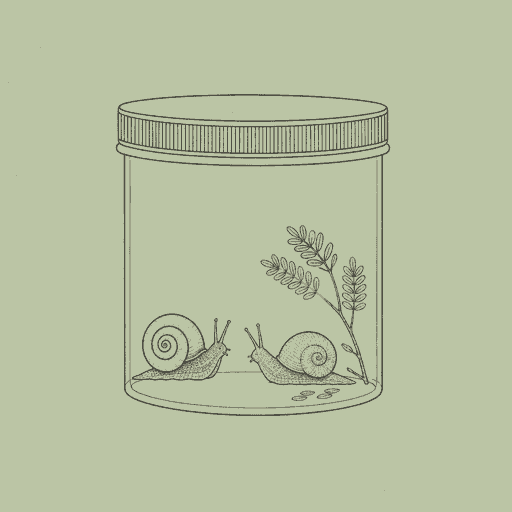
4. How does the symbolism of Lefty, the rare left-coiling snail, mirror Yeva’s own isolation and her asexual identity? Does the final union of the two snails offer a sense of hope, or is it overshadowed by the human tragedy unfolding around it?
5. Endling shares a metafictional sensibility with novels like Kurt Vonnegut’s Slaughterhouse-Five. In what ways does Reva use metafiction differently to explore the experience of a diaspora writer observing a conflict from afar?
Creative Engagement
Encourage imaginative and creative connections to the book.
1. Yeva demands a formal “prospectus” from Nastia for the kidnapping plot. If you had to create a prospectus for a personal mission you feel passionate about, what would your goal and methods be?
2. What do you imagine one of Iolanta Cherno’s dark children’s plays, which she stages as “Mrs. Brown” in Nevada, would be about? Who do you think is her true intended audience?
3. The epilogue ends with the interviewer unable to hear the blast that Pavlo hears in Kherson. If you were to write one more chapter, what would happen next? Would Pavlo try to explain the reality of his situation, or would the conversation, and the connection, end there?

Get in-depth, chapter-by-chapter summaries and analysis from our literary experts.
- Grasp challenging concepts with clear, comprehensive explanations
- Revisit key plot points and ideas without rereading the book
- Share impressive insights in classes and book clubs