Fallen Gods
Fallen Gods
A modern alternative to SparkNotes and CliffsNotes, SuperSummary offers high-quality Study Guides with detailed chapter summaries and analysis of major themes, characters, and more.
Summaries & Analyses
Quizzes
NEWReading Tools
Book Club Questions
Content Warning: This section of the guide contains discussion of emotional abuse.
General Impressions
Gather initial thoughts and broad opinions about the book.
1. Fallen Gods blends Norse mythology, dark academia, and the high stakes of a “romantasy” novel. What was your overall reaction to this mix of genres, and which element did you find most compelling?
2. The guide mentions Rachel Van Dyken’s background in mafia romance. How did you see those familiar tropes, such as warring families and a tyrannical patriarch, influence the mythological conflict in this story?
3. This book was published by Red Tower, famous for Rebecca Yarros’s Fourth Wing. Where do you think Fallen Gods fits within the popular romantasy genre, and does it bring anything new to the table compared to other major titles you may have read?
Personal Reflection and Connection
Encourage readers to connect the book’s themes and characters with their personal experiences.
1. Rey is motivated by a fierce desire to protect her stepmother, Laufey, forcing her to follow Odin’s cruel orders. Have you ever felt torn between protecting someone you care about and staying true to yourself?
2. Aric initially fears the “monster” inside him as his Giant powers awaken, viewing his own heritage as a dangerous threat. What parts of yourself have you had to learn to view with more compassion or understanding over time?
3. Ziva’s immediate and genuine friendship offers Rey a rare moment of unconditional acceptance, since Ziva is immune to her Aethercall. How important are friendships that exist outside of complicated family dynamics in shaping who we become? Can you think of a friendship that helped you feel more understood, grounded, or accepted during a difficult period of your life?
4. Laufey tells Rey a bedtime story about a small wolf pup surviving by being patient while larger predators destroy one another. What different forms of strength and survival does this story highlight for you? When have you found that endurance, patience, or quiet resilience mattered more than direct confrontation?
5. The connection between Rey and Aric evolves from a hostile truce to a deep and powerful bond. What moments in relationships, romantic or otherwise, do you think most powerfully build trust between people?
6. During the campus assembly, Rey feels a burning jealousy for the “ordinary aspirations” of other students. What ordinary experiences or freedoms do you think people often take for granted until they are denied to them?
Societal and Cultural Context
Examine the book’s relevance to societal issues, historical events, or cultural themes.
1. Odin uses “historical erasure,” wiping the memories of the Giants to maintain power and control the narrative of the war. How does this act of rewriting history mirror real-world examples where dominant groups control historical accounts to justify their power?
2. The novel explores how familial duty can be weaponized, particularly by powerful patriarchs like Odin and Sigurd. In what ways do you see societal expectations about family loyalty being used to control or manipulate people in our own culture?
3. Endir University functions as an elite institution where ancient hatreds and mythic conflicts play out under the guise of modern academia. What does the novel seem to suggest about how power, legacy, and old rivalries operate within prestigious institutions today?
Literary Analysis
Dive into the book’s structure, characters, themes, and symbolism.
1. The motif of “sleeping and waking” is central to the plot. In what ways does the author use Aric’s physical symptoms, like uncontrollable frost, and his psychological ones, like his violent visions, to illustrate the painful nature of his awakening?
2. Let’s talk about the major reveals: Reeve is Loki and Rowen is Thor. Which of these twists did you find more effective, and how did the author use foreshadowing to prepare you for them?
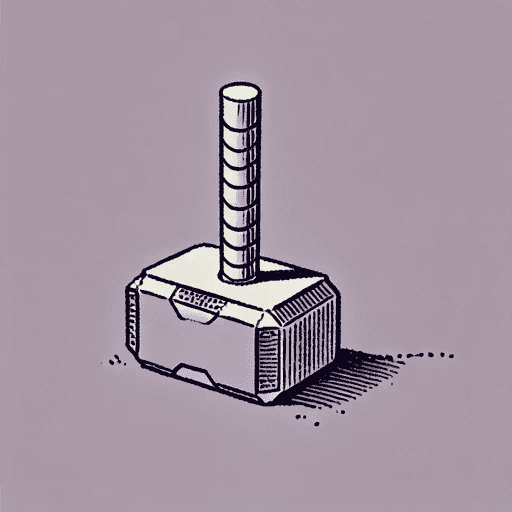
3. What significance does Mjölnir hold as a symbol? How does its meaning transform from a lost artifact to a part of Aric’s body, and finally, to a weapon both he and Rey are worthy of wielding?
4. The guide references the idea that personal identity is founded on memory. How does Aric’s arc, from his amnesia to the flood of recovered memories at the end, support or challenge this concept?
5. For readers familiar with Rachel Van Dyken’s work, how does Fallen Gods compare to her other high-stakes romance series, like Eagle Elite? Do you see an evolution in her writing or a shift in her storytelling focus with this move into romantasy?
6. Laufey’s note contains five runes that serve as a map for Aric’s transformation. What narrative function do these runes serve beyond simply moving the plot forward, and how do they act as a counter-narrative to Odin’s version of history?
Creative Engagement
Encourage imaginative and creative connections to the book.
1. Rey’s Aethercall makes others adore her, but she views it as a curse that prevents genuine connection. What kind of involuntary magical ability would you find most challenging to live with in a modern setting, and what would be its unexpected downsides?
2. The novel ends with Rey and Aric deciding to open the Bifrost, knowing it will escalate the war but is necessary to restore balance. What do you believe their first strategic move should be after opening the bridge between realms?
3. You are tasked with designing a new course for Endir University that explores the “suppressed history” of the Giants. What would you call the course, and what would be the first three topics on your syllabus?

Get in-depth, chapter-by-chapter summaries and analysis from our literary experts.
- Grasp challenging concepts with clear, comprehensive explanations
- Revisit key plot points and ideas without rereading the book
- Share impressive insights in classes and book clubs