Fallen Gods
Fallen Gods
A modern alternative to SparkNotes and CliffsNotes, SuperSummary offers high-quality Study Guides with detailed chapter summaries and analysis of major themes, characters, and more.
Summaries & Analyses
Quizzes
NEWReading Tools
Chapters 43-63Chapter Summaries & Analyses
Content Warning: This section contains depictions of physical abuse, sexual content, cursing, illness or death, graphic violence, and substance use.
Chapter 43 Summary: “Aric”
Aric confirms to Rey that he is a Giant, admitting the secret’s release brings relief. He reflects that Rey’s kiss and voice calmed him earlier, preventing a loss of control before Professor Higgins. Rationalizing his protective instinct, he reframes saving her as strategy—using Odin’s daughter to ultimately destroy Odin. Yet his anger at her as the daughter of Odin wanes; the thought of her crying makes his heart clench.
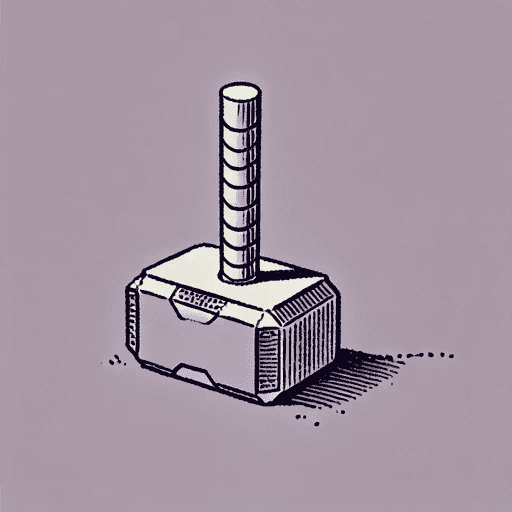
Though disheveled from the woods, other students do not seem to notice them. Rey pulls Aric to a secluded trail by an old oak covered in carvings, including a large rune—Hagalaz—that draws Aric’s attention. She shows him a photo revealing a second rune has appeared on his back, then mentions a note from Laufey that matches the runes she has seen. Rey theorizes Aric has five runes total; each awakening unlocks more of his power. She reveals her goal: finding Mjölnir, her family’s stolen weapon, which she believes the runes map. When Aric worries he might be the monster in their story, Rey reassures him they will face it together, saying everyone has some darkness inside.
Chapter 44 Summary: “Aric”
Aric touches the Hagalaz rune carved in the tree, but nothing happens. Rey explains its meaning: awakening, awareness, transformation—a point of no return. When Aric questions whether he or Rey could wield Mjölnir, she hesitates to answer. They agree to a formal truce: work together to find Mjölnir, then return to their respective sides. Aric reveals his intention to kill Odin to avenge his parents once their alliance ends.
They seal the truce with blood. Aric cuts his palm with his knife and presses it to the rune. Rey takes the knife, cuts her own hand, and joins hers beside his. The Hagalaz rune flares with blinding white light, and searing pain rakes down Aric’s back as the third rune burns itself into his skin.
Chapter 45 Summary: “Rey”
Aric cries out as the third rune sears into his back. A branch snaps nearby; a figure in black sprints away before they can react. Rey notes they have a stalker, adding another person to her mental list of enemies. Aric heals the cut on Rey’s palm with a touch.
Walking back to campus, Rey questions whether she should actually give Mjölnir to Odin. She reveals that others like them exist on campus but are powerless because the Bifrost is broken. Aric confirms he already knew this and suggests that having tasted true power makes losing it more painful. Rey counters that she possesses something Odin does not: a heart.
Chapter 46 Summary: “Rey”
Since the third rune appeared, Rey feels a persistent ache in her chest and deep loneliness. She reflects on her lack of romantic love, having only experienced disappointing hookups that left her crying and wondering if she would feel loved. She worries constantly about Laufey, whose healing power is slowly killing her as she uses it to manage Odin’s tantrums and nightmares.
Rereading her father’s dossier on Mjölnir, Rey learns that earlier, unstable versions of the hammer were forged. She realizes the runes respond to her and Aric’s combined blood and wonders if she is somehow exacerbating the storm inside Aric. While Aric has a clear destiny mapped on his back and a path to the ultimate weapon, Rey feels she has only ever been chosen for death. She wonders if this is Aric’s chance to choose life.
Chapter 47 Summary: “Aric”
Rey knocks on Aric’s door in the middle of the night, barefoot and sleepwalking. She enters, chugs water from her cat mug, then crawls into his bed, pinning him against the wall. A sudden calm overwhelms Aric, silencing the storm in his blood—the same effect as her kiss. He falls asleep and dreams of a frozen, mountainous homeland smelling of iron, snow, and pine smoke.
His alarm wakes them both. Rey, now conscious, screams and punches him, having no memory of arriving. Reeve enters to find Rey wearing only Aric’s sweatshirt. After she storms out with Reeve’s coffee, Aric lies to his brother, claiming closeness to Rey is strategic—a long game to gain trust and reach Odin.
Reeve examines the runes on Aric’s back and grows pale, calling them an interesting mix. He warns Aric never to forget the Stjernes killed their parents and that Odin is powerful. Making a verbal slip about Odin controlling more than just his city of Bellevue, Reeve corrects by mentioning the university’s Endir’s gates. Aric begins suspecting Reeve may not be protecting him but rather setting him up.
Chapter 48 Summary: “Rey”
The next morning, Ziva teases Rey about sleepwalking into Aric’s room. Aric walks past with Reeve, completely ignoring her. On the elevator, Eira mentions Rowen was moaning in his sleep. Walking to class, Rowen confesses he has been having recurring nightmares about his own death and fears Odin will see them as weakness and make him disappear.
Rey decides not to tell Rowen about the runes to protect her truce with Aric. When she asks where Thor kept Mjölnir, Rowen replies it is sentient and would have stayed next to Thor’s heart. Rey accidentally touches Rowen’s scarred arm, and her emotion-sensing power, the Aethercall, reverses, flooding her with immense heat and hatred from him. The intensity startles her. Eira summons Rowen away, but he offers Rey final encouragement before leaving.
Chapter 49 Summary: “Aric”
Aric receives texts from Reeve warning him to be wary of Rey, reminding him that Sigurd sees everything. After class, Aric drives Rey to an abandoned, warded property owned by Sigurd. Rey blushes when Aric teases that this could be her first date; she admits she has had hookups but never received flowers or genuine attention.
Aric leads her through rune-warded gates. Rey discovers the white stones lining the path are actually bones of fallen Giants, a place called Hollowood. Aric warns that one day Odin will pay for his crimes, and if Rey stands with him, she will too.
By the lake, Aric explains the Giants’ power over water and ice was what the Gods feared, because water is life. He confesses the place feels like home, but the word “lie” slams into him. He instinctively takes Rey’s hand, and heat floods them both.
Chapter 50 Summary: “Rey”
Rey realizes their connection caused a new rune to appear, though it is not one from Laufey’s note. She teases Aric about his powers being limited. He responds by pulling her close and using his ice to frost her lips before warming them with his thumb. When she asks him to demonstrate more, he makes snow fall around them. She marvels at the falling snow and wishes for a moment that she could stay here with Aric.
Cracking branches send Aric into instinctive protection mode—he creates a cave of ice around them. Two deer emerge, and Rey sees his eyes glowing white. Aric warns he may lose control as more runes unlock. Rey confesses she feels meant more for a monster than a man. She initiates a passionate kiss.
Chapter 51 Summary: “Aric”
Aric kisses Rey back desperately. Ice crystals spin from him, catching in her hair and on her lashes. While kissing her neck, his teeth accidentally scrape her skin, and he tastes her blood. The taste awakens a ravenous hunger within him. A voice that is not his own whispers from his throat about the blood of Odin. Aric fears the monster inside him is either waking or has already taken over.
Chapter 52 Summary: “Aric”
Aric struggles to control the possessive urge from tasting Rey’s blood. They discuss the night of their broken engagement. Rey admits feeling like an unworthy sacrifice, embarrassed by her appearance. Aric reveals he only refused because she was not Odin’s property to bargain with. He says she was “perfect.” Moved to tears, Rey asks for one more minute of their truce. They kiss passionately.
Afterward, both retreat behind emotional shields. Aric melts the ice walls. Rey identifies the fourth rune as Othala, the rune of bloodline and inheritance. Aric confirms it is on a statue of Audhumla, the cosmic cow, in Sigurd’s office. He suggests waiting until the end-of-orientation party at Sigurd’s house to activate it, buying them a few more days together.
Chapter 53 Summary: “Aric”
Reeve waits in Aric’s room, furious that Aric used his powers at the lake. He calls it the “riverbed of tombs,” a sacred place carrying souls of the fallen into the lake until Ragnarök (259). Reeve warns that Rey was sent to kill Aric. After apologizing for his anger, they hug, and Reeve leaves with a final warning.
Aric falls asleep and has a vision of voices arguing about destroying something and the consequences of being trapped. He jolts awake to find snow falling inside his room. Looking in the mirror, he sees his true Frost Giant form: silvery-white eyes, frost-covered braided hair, and a crown of branches shaped like elk horns.
Chapter 54 Summary: “Rey”
Ziva tells Rey someone wrote “Die, Odin” on her whiteboard. She mentions Rowen has been training intensely at the gym with Eira constantly nearby, which unsettles Rey. Reeve confronts Rey in the hall, acting hostile.
Rowen is waiting in Rey’s room. He accuses her of being reckless with Aric and warns he must report her actions to Odin. Rowen reveals Odin is losing his grip on reality and desperately needs Mjölnir to restore his power. He explains that once Aric is fully awakened, he will be compelled to give Mjölnir to Rey because her blood sings to it. Rowen has traces of Odin’s blood but does not elaborate or confirm that he could wield Mjölnir.
After he leaves, Rey calls Laufey. Sensing they are monitored, she asks for a bedtime story. Laufey tells of a small wolf pup who survived by being patient while larger hunters destroyed one another. Rey understands the message about survival and vows to be the one who howls.
Chapter 55 Summary: “Aric”
Rey appears at Aric’s door again that night, seemingly sleepwalking. She again fills her cat mug at his sink, chugs the water, and crawls into his bed. Aric gives in to his feelings, pulling her close and admitting to himself that she means everything. When Rey touches the runes on his back, the burning sensation quiets, allowing him to rest deeply.
This becomes their nightly routine for the next two nights. He leaves his door open for her. During the day, they pretend their nights together mean nothing, but Aric knows they are falling for each other despite the pretense.
Chapter 56 Summary: “Aric”
The morning of the party, Rey and Aric share a domestic moment brushing teeth together in his bathroom. Aric reflects on how her presence calms him and allows him to sleep. When water on his hand turns to ice, Rey abruptly becomes cold and distant, reminding him of their end game. Her sudden shift hurts Aric, and they remind each other that they are on different sides.
After Rey leaves, Aric tells himself it is for the best and that he was foolish to hope for more. In the hallway, he sees a mural of Odin, Loki, and Thor triumphing over the first Giant, Ymir, as the Giant realm of Jötunheim burns. He feels silly for thinking he could have a place in Rey’s world.
Chapter 57 Summary: “Aric”
Aric is in a foul mood all day. Rowen confronts him outside the dining hall, warning him to stay away from Rey at the party. Aric taunts that Rey wants him. Rowen punches Aric, smashing him into a glass trophy case, calling him an “abomination” (275) who does not deserve the runes protecting him. Aric taunts back about Rowen’s parents.
Reeve intervenes as students gather, handling campus security and blaming the incident on Rowen. In the dining hall, Reeve forces Aric to drink tea to calm down and act normal. Aric resolves to stop fighting his fate and let the storm in.
Chapter 58 Summary: “Rey”
The car ride to the party is tense. Rey is angry with Rowen for fighting Aric and feels guilty for pushing Aric away that morning. Odin texts, alerted by Rowen that Rey is withholding information. Rey replies that Mjölnir is as good as hers. Odin sends a video of a tied-up Laufey, whom he strikes with his cane. The video solidifies Rey’s resolve: She has no choice but to succeed.
At Sigurd’s house, Rowen apologizes for the fight. In a moment of protective rage, Rey snaps that Aric is hers to hunt and kill, startling Rowen with the look in her eyes. They reaffirm their friendship, with Rowen promising he is on her side until the grave.
Chapter 59 Summary: “Rey”
Aric opens the door, and he and Rey share a charged, flirtatious exchange. Aric warns her the house staff are spies for Sigurd. Standing extremely close with a staff member watching, they continue their banter. Reeve interrupts their intense moment. Ziva distracts him by shouting about his pet snake, Jory, allowing Aric and Rey to laugh together naturally.
Chapter 60 Summary: “Rey”
Aric follows Rey toward the bathroom. In the hallway, Rey sees three paintings depicting Thor, a beautiful woman, and Odin breaking them apart—a depiction of the Nightfrost legend. She says it would be nice if such love stories were real; Aric dismisses the notion. Alone in the bathroom, Rey admits to herself she has always been drawn to Aric, recalling their beach encounter.
Chapter 61 Summary: “Rey”
Rey joins a beer pong game and teams up with Reeve to defeat Aric and Rowen. Reeve then initiates an Endir tradition: drinking from Ymir’s helmet. Though Reeve whispers that it is actually just an artifact dug up in Asia, Rey hears a battle cry: “My hands close on the helmet’s cold edges, and sorrow punches into my chest so hard I stagger. Justice. Rage. Loss. It’s screaming. Can’t they hear it?” (292). Aric toasts Rey before she drinks the foul-tasting liquid.
Rey feigns illness as an excuse to go inside with Aric, using her Aethercall to divert the crowd’s attention. Inside, Aric pulls Rey into his lap and declares he is done fighting his feelings for her. They engage in a heated exchange while this kiss each other fervently. Aric touches her intimately, asking for consent, and she clearly agrees.
Chapter 62 Summary: “Aric”
Aric leads Rey to his sparse bedroom. When he expresses his fear that he is a monster, Rey reassures him that ice can be life-giving, not just destructive. They have passionate sex. As they climax, a power surge causes the lights and music throughout the house to go out. It storms outside, and they hear the partygoers return to the house.
Rey goes to the connected bathroom and game room but does not return. Aric follows and finds the statue of Audhumla sitting in his game room, though he does not know how it got there. Rey tells him to bite her wrist for blood to activate the rune. Aric bites her, and the taste awakens the monster within him. Rey presses her bloody wrist to the Othala rune. Aric slices his own palm with his teeth and slams his hand over hers. The rune flares, plunging Aric into a vision of an ancient battle where a massive Giant wields a hammer against Odin’s forces.
Chapter 63 Summary: “Rey”
Aric’s eyes flash white, and he collapses, roaring in agony. Shimmering silver blood—not red—runs down his back as the Othala rune carves itself into his skin. Lost in the vision, he mutters about Odinfather and frost. Rey helps him to bed and gets dressed.
Aric wakes enough to grab her hand, healing her wrist with his touch. Their playful banter turns passionate, and he performs oral sex on her. After she climaxes, Rey pushes Aric onto his back and climbs on top of him to continue their lovemaking.
Chapters 43-63 Analysis
The motif of sleeping and waking structures Aric’s psychological and physical transformation and illustrates the theme of The Violent and Liberating Nature of Awakening. Aric’s dormant powers erupt as the third rune, Hagalaz, physically burns into his flesh after a blood pact with Rey. The transition is agonizing, as “searing pain rakes down” (225) his spine when the magic manifests. The blood pact also transforms awakening into a shared act rather than an individual one. By requiring both Rey and Aric’s blood to activate the rune, the novel ties Aric’s emerging identity directly to their evolving emotional and physical bond. Rey’s literal sleepwalking into his room provides a counterbalance to the turbulence of Aric’s transformation. Her unconscious migrations to his bed represent an involuntary shedding of her own conditioned hostility and bring a temporary stillness to his chaotic mind. Her presence quiets both the burning of Aric’s runes and the “storm” inside him, transforming intimacy into a form of physical and emotional regulation rather than simple romantic attraction. He experiences a vision of his true Frost Giant form in the mirror, complete with silvery-white eyes, frost-covered braided hair, and a crown of branches shaped like elk horns, foreshadowing the power of his looming awakening. Van Dyken repeatedly frames this awakening through sensory and environmental imagery, especially cold, storms, blood, and touch. Frost spreads across surfaces during moments of emotional intensity, while physical closeness between Rey and Aric triggers supernatural reactions that collapse the boundary between desire and transformation.
The activation of the fourth rune, Othala, which represents bloodline and inheritance, plunges Aric into a visceral vision of an ancient battle involving Odin. The physical emergence of the runes bypasses the magical amnesia Odin has imposed on the realm to conceal his atrocities and etches the forgotten truth directly onto Aric’s body. He observes that the runes are the only thing keeping the monster asleep, so the runes become a protective seal and a countdown to inevitable chaos. By recovering these memories, Aric challenges the historical erasure that supports Odin’s rule. The Othala rune’s association with bloodline and inheritance also reinforces the novel’s preoccupation with generational trauma. Each rune activation forces Aric to physically carry the buried violence of the war on his body, turning his awakening into both a supernatural transformation and an embodied reckoning with a false history. Rey speculates the statue was moved by Rowen, or whoever witnessed them unlocking the third rune at the oak tree, which adds a layer of surveillance and danger to their quest.
As Aric and Rey navigate their precarious alliance, the narrative destabilizes the morality traditionally assigned to mythic factions and underscores the theme of The Ambiguity of Good and Evil in Mythic Conflict. Aric fears his newly awakened Frost Giant abilities signify he is a monster, particularly when tasting Rey’s blood triggers a predatory hunger. A voice that is not his own whispers from his throat about the blood of Odin, and he fears the monster inside him is either waking or has already taken over. Yet he repeatedly restrains his violent urges and instinctively shields Rey from danger, creating ice walls to protect them from perceived threats. In contrast, Rey recognizes the tyrannical cruelty of her father and knows that the supposedly benevolent Odinfather operates as a brutal oppressor who beats Laufey and threatens mass murder. The dichotomy between the righteous Gods and the monstrous Giants collapses.
The growing intimacy between Rey and Aric increasingly functions as a challenge to the ideological divisions imposed by both families. Although they initially frame their alliance as strategic, their relationship becomes emotionally restorative in ways neither fully expects. Rey’s sleepwalking into Aric’s room bypasses the political performances and hostility governing their waking interactions, while Aric repeatedly describes her presence as calming the “storm” inside him and easing the pain of the runes. Their attraction therefore evolves beyond physical desire into a form of mutual regulation and vulnerability. By portraying tenderness as something both characters have been denied by their families, the novel frames intimacy itself as an act of rebellion against the violent systems shaping their lives.
The Nightfrost legend further foreshadows Rey and Aric’s relationship while revealing their conflicting understandings of history. Rey interprets the story of Thor and the Frost Giant Alvaldi as a tragic romance rooted in devotion, while Aric views it as evidence of betrayal and abandonment by the Gods. Their disagreement reflects the unequal historical positions they occupy: Rey has been raised within the dominant mythology of Odin’s world, while Aric inherits the trauma of the vilified side of the conflict. Even so, the story unmistakably parallels their own forbidden but fated attraction as descendants of opposing bloodlines. By embedding this parallel within an old legend, the novel frames Rey and Aric’s romance as part of a recurring historical cycle tied to Ragnarök, sacrifice, and the collapse of political boundaries between Gods and Giants.
Aric’s internal battle with his instincts suggests that morality is an active choice rather than an inherent trait tied to race, lineage, or mythological faction. When Rey reassures him that ice can be life-giving as well as destructive, she reframes his power as potentially nurturing. By complicating the moral alignment of its characters, the novel reframes the conflict as a rebellion against a corrupt autocracy. The shared drinking from Ymir’s helmet during the party crystallizes this burden; the artifact radiates sorrow and rage, exposing the communal trauma carried by all participants and reinforcing that neither faction has clean hands. The scene also highlights the novel’s use of artifacts as emotional archives. Rey does not simply hear a story about the ancient conflict; she physically experiences the grief, rage, and loss attached to it, reinforcing the idea that history in the novel survives through objects, bodies, and sensory memory, primarily affecting Rey and Aric and highlighting their fated connection.
The dynamic between Rey and Aric is continuously threatened by the external pressures of their respective lineages, emphasizing the theme of The Weaponization of Familial Duty. Laufey’s coded bedtime story about a surviving wolf pup further highlights this entrapment and teaches Rey that “courage […] isn’t always winning the fight” (268) and can instead mean merely surviving it. The story emphasizes patience and waiting for larger predators to destroy one another, like Odin and Sigurd, who underestimate Rey. Aric faces a similar pressure as he wrestles with Sigurd’s expectations and his brother Reeve’s warnings to avenge their murdered parents. Reeve’s suddenly hostile confrontations with Rey serve as constant reminders of this blood debt. Familial bonds operate as instruments of coercion rather than sources of support. Odin employs emotional blackmail and physical abuse to guarantee Rey’s obedience, reducing her from a daughter to a disposable operative. Aric’s inherited mandate for vengeance likewise restricts his autonomy, and he comes to view his growing intimacy with Rey as an antidote to the anger and manipulation of the Gods and Giants. Rowen’s increasing instability, marked by nightmares of his own death and fears that Odin will make him disappear, demonstrates the cost of serving these patriarchs and foreshadows his own transformation as they get closer to locating Mjölnir. The narrative uses tropes such as tyrannical patriarchs and unbreakable blood oaths to heighten the stakes and maps the violent power dynamics of organized crime onto a mythological framework where survival requires strict compliance.

Get in-depth, chapter-by-chapter summaries and analysis from our literary experts.
- Grasp challenging concepts with clear, comprehensive explanations
- Revisit key plot points and ideas without rereading the book
- Share impressive insights in classes and book clubs