Nightmares!
A modern alternative to SparkNotes and CliffsNotes, SuperSummary offers high-quality Study Guides with detailed chapter summaries and analysis of major themes, characters, and more.
Summaries & Analyses
Quizzes
NEWReading Tools
Symbols & Motifs
Content Warning: This section of the guide includes discussion of bullying, mental illness, illness, and death.
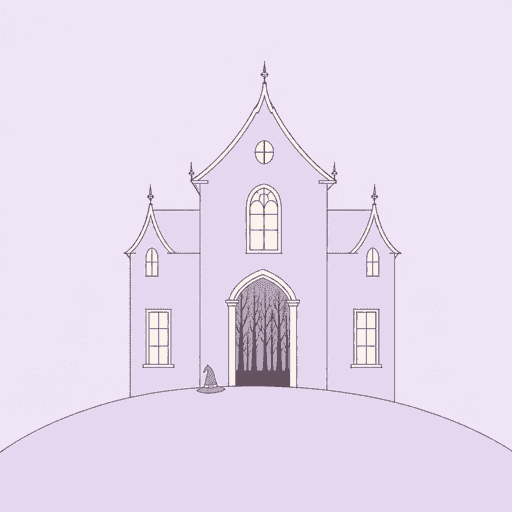
The Purple Mansion
The purple mansion is a motif of Redefining Family After Loss and illuminates Charlie’s emotional journey through grief and his eventual acceptance of his new, blended family. Initially, Charlie perceives the mansion not as a home but as the “stepmonster’s lair,” a physical embodiment of his resentment toward his Charlotte and the changes in his life following his mother’s death. The house’s strangeness, with its “jungle of potted plants” and exterior in a “dreadful shade of purple” (1), reflects the unfamiliar and frightening nature of his new family dynamic. Charlie’s refusal to unpack his belongings and his nightly ritual of barricading his bedroom doors underscore his resistance to accepting this new place and the emotional turmoil it represents. The mansion is the physical space where his waking-world anxieties and his subconscious nightmares converge, housing the portal that allows his fears to become tangible. As Charlie begins to heal and understand Charlotte, his perception of the mansion transforms. His journey culminates in his ability to finally see the house as a place of safety and belonging. The shift from calling the mansion a lair to calling it “home” signifies the completion of his arc, marking his acceptance of both his mother’s passing and his new family structure.
The Netherworld
The Netherworld, a terrifying realm constructed from the hidden insecurities of children, symbolizes the power of fear. Each dreamer’s anxieties manifest as unique landscapes and monsters, making the setting intensely personal. Meduso clarifies this concept, explaining to Charlie, “You’ve got your own plot, boy […] Around here, we call it a terror-tory. And every time you visit, you add a bit more” (156). This statement reveals that the belfry, the witch, and the dark forest that haunt Charlie are his own creations, externalizations of his internal struggles with grief and fear. The Netherworld symbolizes the destructive and creative power of fear, which gains strength when avoided but weakens when understood and confronted. The Portal within the mansion is a crucial aspect of this symbolism, representing the fragile barrier between the conscious and subconscious mind. Charlie’s unresolved grief and fear cause this barrier to rupture, allowing the terrors of his Netherworld terror-tory to bleed into his waking life. The portal’s existence demonstrates how internal turmoil, when left unchecked, can destabilize one’s entire reality.
Costumes and Disguises
The motif of costumes and disguises reinforces the theme that Appearances Can Be Deceiving. Throughout the novel, characters and concepts are often not what they seem on the surface. The most explicit example is the nature of the nightmares themselves. Meduso explains to Charlie that “[n]ightmares are humans’ fears in disguise” (243). This idea is central to the plot, as the children discover that the monstrous forms of their nightmares, such as Alfie’s fitness test or Rocco’s exams, are merely masks for deeper, more nuanced insecurities about inadequacy and failure.
This motif extends to the characters’ identities. This is demonstrated most clearly through the story’s chief antagonist, President Fear, who hides his monstrous nature behind the mask of Principal Stearns. On the other hand, costumes can also be a source of strength. Jack’s Captain America suit helps the child feel brave and heroic in a confusing world. Similarly, dressing up as a frightening monster helps Alfie muster his courage, and he uses his mummy costume to protect his allies and facilitate Dabney’s rescue. Through the motif of costumes and disguises, the narrative consistently argues for the importance of looking past superficial appearances to understand the true, often hidden, nature of people, fears, and the world itself.

Unlock the meaning behind every key symbol & motif
See how recurring imagery, objects, and ideas shape the narrative.
- Explore how the author builds meaning through symbolism
- Understand what symbols & motifs represent in the text
- Connect recurring ideas to themes, characters, and events