The Third Wish
The Third Wish
A modern alternative to SparkNotes and CliffsNotes, SuperSummary offers high-quality Study Guides with detailed chapter summaries and analysis of major themes, characters, and more.
Background
Content Warning: This section of the guide includes discussion of death.
Authorial Context: Joan Aiken
Joan Aiken (1924-2004) was a British author known for her work in fantasy and children’s literature. She was born into a literary family. Her father, Conrad Aiken, was a Pulitzer Prize-winning poet, and her stepfather, Martin Armstrong, was a novelist. Following this literary tradition, Aiken began writing in her youth and publishing stories in her teenage years. She published her first book, All You’ve Ever Wanted, in 1953. She went on to become a prolific writer of both short stories, like “The Third Wish,” and novels, including The Wolves of Willoughby Chase (1962).
Aiken’s writing often combines fairy-tale devices—such as the wishes, magical transformations, and supernatural figures in “The Third Wish”—with a realistic setting. Instead of emphasizing the magical elements, she situates them within an ordinary setting, using a matter-of-fact writing style. “The Third Wish,” for example, opens with Mr. Peters’s ordinary drive through the woods before he encounters the King of the Forest and is granted his three wishes. The magical elements are understated, with the wishes presented as dead leaves and Leita’s transformation leading to quiet emotional strain. The characters’ internal states remain the primary focus despite the magical elements of the story. Mr. Peters’s love for Leita and his recognition of her unhappiness guide his moral development. He subverts fairy-tale traditions by relinquishing control and, in the process, gains the companionship he sought. Aiken’s method of layering fairy-tale devices with “deadpan seriousness” has been praised for its ability to create unexpected depth and emotional weight (Phillips, Brian. “The Practical Magic of Joan Aiken, the Greatest Children’s Writer You’ve Likely Never Read.” The New Yorker, 31 Aug. 2018).
Literary Context: Three-Wish and Swan-Maiden Fairy Tales
“The Third Wish” incorporates traditional elements from global folk tales, including the three-wish motif. In other three-wish tales, such as “The Ridiculous Wishes” (1697) by Charles Perrault, in which a man wishes for a sausage, replaces his wife’s nose with it, and eventually wishes it off again, characters are granted three wishes that end up exposing their weaknesses, leading to similarly ironic or harmful outcomes. In “The Monkey’s Paw” (1902) by W. W. Jacobs, the protagonist wishes for a sum of money, only to be granted it as compensation for his son’s death during an accident in his workplace. The King of the Forest alludes to this pattern when he states that humans fail to use wishes effectively—“mostly they end up worse off than they started” (226)—reinforcing the expectation that Mr. Peters’s wishes will have consequences.
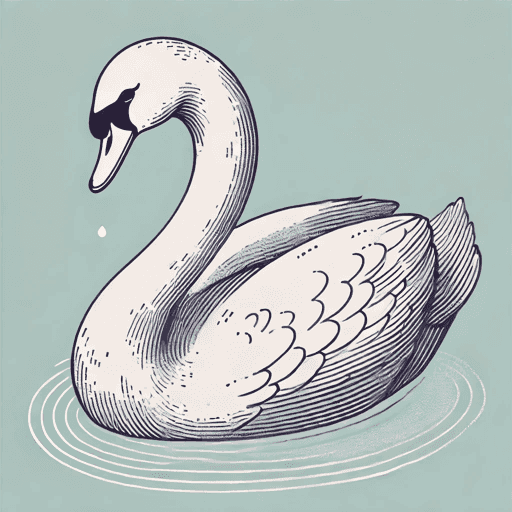
Aiken’s story also reflects elements of the traditional swan-maiden myth, in which a man gains control over a woman by preventing her from returning to her natural swan form. The Japanese folk tale of Hagoromo features a fisherman who steals the feathered robe of a divine spirit, forcing her to remain in her human form and coercing her into marriage. In the Urvashi folk tale from the Hindu Mahabharata, a king forces a divine Apsara to marry him, and she transforms into a swan to escape. In each of these renditions, the relationship between the man and swan is defined by control, establishing a familiar framework that Aiken modernizes.
Aiken diverges from these traditions by changing how Mr. Peters’s first wish functions and how his relationship with Leita is resolved. In traditional swan-maiden tales, the male character often functions as an explicit antagonist enacting deliberate control over his swan companion. In Aiken’s version, Mr. Peters unknowingly transforms Leita. He also does not attempt to maintain control over her, actively searching for ways to make her happy in her new life and offering to use a wish to secure her happiness. In the end, he relinquishes control entirely and, in doing so, preserves his mutual relationship with Leita. Aiken also subverts the three-wish structure through Mr. Peters’s moral development. Rather than wasting his wishes impulsively or suffering punishing consequences, Mr. Peters uses his second wish to undo the harm caused by the first and chooses not to use the third. His humility distinguishes him from traditional fairy-tale figures, who fail to learn as quickly from their wishes or fail to willingly relinquish control.

Get in-depth, chapter-by-chapter summaries and analysis from our literary experts.
- Grasp challenging concepts with clear, comprehensive explanations
- Revisit key plot points and ideas without rereading the book
- Share impressive insights in classes and book clubs