The Third Wish
The Third Wish
A modern alternative to SparkNotes and CliffsNotes, SuperSummary offers high-quality Study Guides with detailed chapter summaries and analysis of major themes, characters, and more.
Literary Devices
Content Warning: This section of the guide includes discussion of death.
Setting
Aiken uses setting to immerse the reader in the story and to foreground the importance of the natural world. The narrative opens “at dusk on a spring evening” (225), establishing the time of day and the season. The description of the setting—“The primroses were just beginning but the trees were still bare, and it was cold; the birds had stopped singing an hour ago” (225)—develops the atmosphere. These details situate the reader within a quiet forest environment at the end of winter, when new growth is only beginning to appear.
Through her detailed descriptions of the environment, Aiken frames her narrative within the rhythms of the natural world. Although Leita attempts to live within the human space of Mr. Peters’s house, she is repeatedly drawn back to the river. The pull that she feels to the river despite her desire to acclimate to Mr. Peters’s world underscores the novel’s thematic interest in The Impossibility of Suppressing One’s True Self, suggesting that Leita will never be truly content denying who she truly is.
Foreshadowing
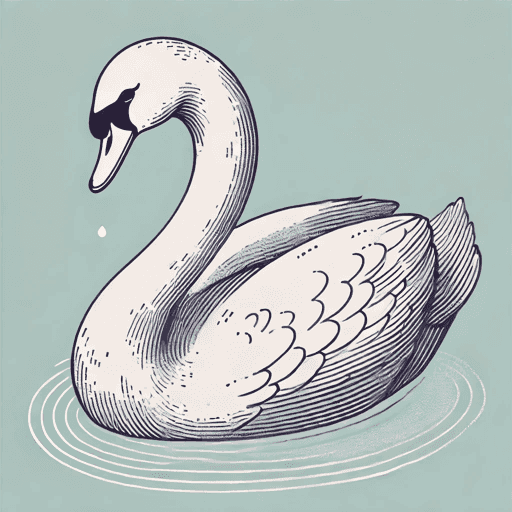
Aiken uses foreshadowing to hint at the story’s supernatural elements before they appear. When Mr. Peters approaches and helps the swan, the creature reacts violently, “looking at him with hate in its yellow eyes” and thrashing with wings “powerful enough to break his arm” (225). The unsettling description of the swan and its “almost human” cries prepares the reader for the revelation that the bird is actually the King of the Forest.
The King’s warning overtly foreshadows the eventual consequences of Mr. Peters’s wish. Shortly after the King transforms, he warns Mr. Peters that humans rarely use their wishes wisely, noting how they usually “end up worse than they started” (226). Mr. Peters’s calm confidence and reflection on the forester who misused his wishes suggests his awareness of magical consequences. Yet he believes that he can avoid them by using careful judgment. Along with foreshadowing the consequences of Mr. Peters’s choices, the moment creates dramatic irony, as the reader recognizes that his confidence will lead to disappointment before he realizes it himself.
Anecdote
Aiken incorporates anecdotes into her narrative that foreground the story’s themes. First, Mr. Peters’s reflection on the forester who wasted his wish by accidentally asking for sausage highlights how impulsive wishes can spiral into unintended problems, emphasizing Aiken’s thematic focus on The Consequences of Desire. Although Mr. Peters believes that his awareness of such consequences will allow him to avoid making similar mistakes, the anecdote reinforces the idea that human desires often lead to unanticipated outcomes.
The anecdote of the thieves underscores Overcoming Possessive Models of Relationships as a central theme of the story. Mr. Peters and his swans eventually become the subject of an anecdote themselves. His neighbors tell “a story that once when thieves tried to break into [Mr. Peters’s] house they were set upon by two huge white birds which carried them off bodily and dropped them in the river” (230). The anecdote makes it clear that the swans—Leita and Rhea—remain connected to Mr. Peters even after his wish has been undone and they are free to return to the river. Mr. Peters views Leita as a being with her own agency, dignity, and choices rather than as a wife he possesses.
Symbolism
Symbolism in “The Third Wish” invests objects in the text with deeper meaning while reinforcing the presence of the natural world in the setting. Aiken bookends her story with references to the changing seasons. The narrative opens “at dusk on a spring evening,” when “the trees [a]re still bare, and it [i]s cold” (226). This image of early spring—often associated with new growth—symbolically aligns with Mr. Peters’s initial experience with magic. At the end of the story, the setting shifts to autumn as the swans mourn Mr. Peters’s death. While spring suggests beginnings and possibility, autumn traditionally symbolizes decline and conclusion. The seasonal progression from spring to autumn mirrors Mr. Peters’s character arc.
Multiple symbolic objects in the story draw meaning from natural elements. The King of the Forest grants Mr. Peters his wishes using three dead leaves, transforming a mundane natural item into a magical vessel. When Mr. Peters pricks his tongue with a thorn, the gesture symbolizes his attempt to avoid the consequences of his desires. The closing image—“In between his hands, which lay clasped on his breast, were a withered leaf and a white feather” (231)—symbolizes the enduring connection between Mr. Peters and Leita after she returned to her true form. By grounding the narrative symbols in the natural world, the story suggests that natural forces shape the course of events more than human desires or intentions.

Get in-depth, chapter-by-chapter summaries and analysis from our literary experts.
- Grasp challenging concepts with clear, comprehensive explanations
- Revisit key plot points and ideas without rereading the book
- Share impressive insights in classes and book clubs