Three Bags Full
Three Bags Full
A modern alternative to SparkNotes and CliffsNotes, SuperSummary offers high-quality Study Guides with detailed chapter summaries and analysis of major themes, characters, and more.
Summaries & Analyses
Author Insights
Quizzes
NEWReading Tools
Book Club Questions
Content Warning: This section of the guide includes discussion of death by suicide and death.
General Impressions
Gather initial thoughts and broad opinions about the book.
1. The novel’s premise of sheep detectives is unique. How did you feel about this concept as you started reading? Have you read other animal-perspective stories, like Richard Adams’s Watership Down or Garth Stein’s The Art of Racing in the Rain, and how did this book’s approach compare?
2. What was your reaction to the final reveal that George died by suicide? Did you find it a satisfying conclusion to the mystery the sheep were trying to solve, or did you feel let down? Why?
3. Three Bags Full blends cozy mystery charm with dark themes of loneliness, guilt, and conspiracy. How effective did you find this mix of tones? Were there moments where the humor felt at odds with the story’s underlying sadness, or did they complement each other well for you?
Personal Reflection and Connection
Encourage readers to connect the book’s themes and characters with their personal experiences.
1. The flock operates as a close-knit community with specialized roles, from Miss Maple’s intellect to Mopple’s memory. Think about a community you belong to. In what ways does it function like the flock, with members contributing unique skills for the collective good?
2. A lot of the story’s humor and confusion comes from the sheep misunderstanding human language, like their confusion over the word “grass.” Can you recall a time in your own life when a simple miscommunication led to a funny or complicated situation?
3. Characters like Othello, Melmoth, and George are outsiders in their respective communities. Have you ever felt like an outsider in a group? How did that experience shape your perspective or your actions, and how does it compare to what these characters go through?
4. How does the sheep’s sensory and instinctual knowledge stack up against the more logical, yet often flawed, thinking of the human characters? What does the novel suggest about different kinds of intelligence, and has this story changed how you think about animal intelligence?
5. George’s dream of taking his sheep to Europe was his plan to escape a world that had disappointed him. Have you ever had a dream of starting over somewhere new? What does that ideal life or place look like for you, and what does it represent?
Societal and Cultural Context
Examine the book’s relevance to societal issues, historical events, or cultural themes.
1. Glennkill is portrayed as a small village simmering with paranoia, gossip, and a dark collective secret. Does this depiction challenge or confirm your ideas about life in tight-knit rural communities? Where do you think these stereotypes come from, and where else do you see them appear in the media?
2. The entire village is complicit in covering up the murder of McCarthy. What do you think this says about community identity and self-preservation? Can you think of examples from history or current events where a group’s silence has protected it from outside judgment?
Literary Analysis
Dive into the book’s structure, characters, themes, and symbolism.
1. In what ways does Miss Maple live up to the archetype of the overlooked but brilliant amateur sleuth established by characters like Miss Marple and Lord Peter Wimsey? How does her identity as a sheep allow her to subvert that classic role?
2. The author uses Ham and Father Will as red herrings, a classic trope of the mystery genre. How did their storylines effectively misdirect your suspicions? What did the sheep’s unique and often literal-minded perspective on these characters add to their effectiveness as decoys?
3. How do George’s and later Rebecca’s readings from books like Wuthering Heights shape the flock’s investigation? In what ways does this literary education both help and hinder their search for the truth?
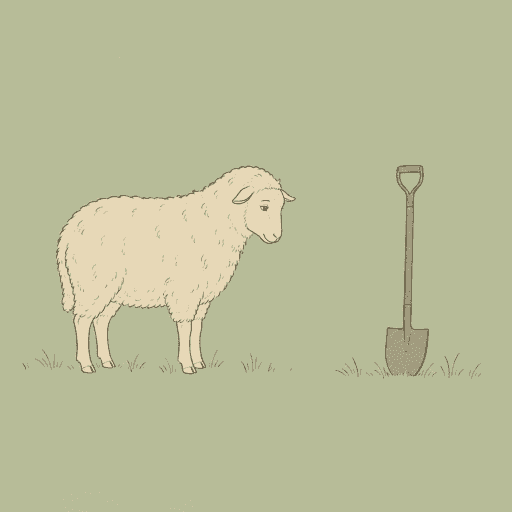
4. What is the symbolic journey of the spade throughout the novel? How does its meaning shift, and what does this transformation reveal about the gap between perception and truth?
5. Which of the sheep’s specific skills were most compelling in making you believe in their capabilities as detectives? Did the sheep have anything that a human detective doesn’t? How does that affect their investigation?
6. The butcher and the priest are tormented by guilt over past actions, which manifests as a fear of the sheep that keep appearing before them. What does the novel show us about the destructive nature of secrets and unconfessed guilt?
Creative Engagement
Encourage imaginative and creative connections to the book.
1. George’s will leaves the flock a fortune for a trip to Europe. If you were to write a sequel, what new country would the sheep visit? What kind of mystery would they stumble upon, and how would their investigative skills work in a completely new cultural setting?
2. Imagine you are in charge of voice casting for an animated film version of Three Bags Full. Which actors would you choose to voice Miss Maple, the cynical Othello, and the mysterious Melmoth? What qualities do their voices have that would perfectly capture these distinct personalities?
3. If you were commissioned to design a new book cover, what elements from the story would you feature? Would you create a cozy, charming scene of sheep in an Irish meadow, or would you hint at the darker secrets of Glennkill with more ominous imagery?

Get in-depth, chapter-by-chapter summaries and analysis from our literary experts.
- Grasp challenging concepts with clear, comprehensive explanations
- Revisit key plot points and ideas without rereading the book
- Share impressive insights in classes and book clubs