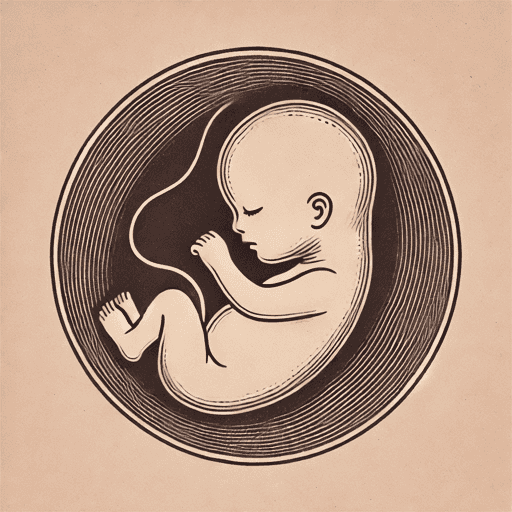
Nutshell: A Novel
Nutshell: A Novel
A modern alternative to SparkNotes and CliffsNotes, SuperSummary offers high-quality Study Guides with detailed chapter summaries and analysis of major themes, characters, and more.
Summaries & Analyses
Quizzes
NEWReading Tools
Background
Content Warning: This section of the guide includes discussion of death.
Literary Context: Reimagining William Shakespeare’s Hamlet
Ian McEwan’s Nutshell is rooted in the literary tradition of retelling and reinterpreting earlier works. The novel draws most explicitly from Hamlet (1609) by William Shakespeare, one of the most influential tragedies in English literature. While McEwan did not initially conceive of the novel as a reworking of the play, he found that references to it continuously “crept in” (Neill, Rosemary. “Ian McEwan on New Novel Nutshell, Hamlet, His Brother and the Bard.” The Australian, 27 Aug. 2016). By borrowing key plot elements and thematic concerns from Shakespeare’s play, McEwan transforms a 17th-century revenge tragedy into a darkly comic contemporary narrative. The result is a story that preserves the core conflicts of the original while reimagining them through a radically different perspective in a new era.
Hamlet centers on Prince Hamlet of Denmark, who learns that his father, the king, has been murdered by Hamlet’s uncle, Claudius. After committing the crime, Claudius marries Hamlet’s mother, Queen Gertrude, and seizes the throne. The ghost of the dead king reveals the truth to Hamlet and urges him to seek revenge. Much of the play focuses on Hamlet’s internal struggle as he wrestles with moral hesitation, philosophical reflection, and the difficulty of acting decisively. Ultimately, the pursuit of revenge leads to tragedy for nearly every major character.
Nutshell mirrors this basic structure while adapting it to a contemporary domestic setting. In McEwan’s novel, the unborn narrator listens from within his mother, Trudy’s, womb as she and her lover, Claude, plot the murder of her husband, John, the narrator’s father. Trudy echoes Gertrude as the mother entangled with a morally compromised lover (though Shakespeare’s play offers no evidence that Gertrude was complicit in her first husband’s death). Claude corresponds to Cladius, the calculating uncle who replaces the father figure, and John represents the murdered king. The unborn narrator functions as a version of Hamlet himself. Like Shakespeare’s prince, he is painfully aware of a crime that others cannot see and feels a duty to respond to it. However, unlike Hamlet, he is physically incapable of intervening directly, which intensifies the novel’s tension and irony. McEwan thus retains the essential triangle of mother, uncle, and murdered father as well as the looming questions of justice and revenge.
Despite the differences in scale, both stories depict how personal betrayal can destabilize social structures, whether a kingdom or a family. Shakespeare’s play portrays the royal family as morally compromised by betrayal, ambition, and lust for power. McEwan translates these dynamics into a domestic context. Trudy and Claude’s conspiracy arises from greed, resentment, and desire, paralleling Claudius’s desire for Hamlet’s father’s throne. Nor is the interest in corruption the only thematic parallel; the unborn narrator’s reflections on politics, art, and morality parallel Hamlet’s meditations on the human condition.
Nutshell is therefore both homage and reinterpretation. It highlights the enduring power of Shakespeare’s tragedy while also inviting readers to reconsider it from a new perspective. The novel demonstrates how classic literature can shape modern storytelling, showing that the dilemmas of guilt, revenge, and moral responsibility explored in Hamlet remain relevant in the present day.

Get in-depth, chapter-by-chapter summaries and analysis from our literary experts.
- Grasp challenging concepts with clear, comprehensive explanations
- Revisit key plot points and ideas without rereading the book
- Share impressive insights in classes and book clubs