Nutshell: A Novel
Nutshell: A Novel
A modern alternative to SparkNotes and CliffsNotes, SuperSummary offers high-quality Study Guides with detailed chapter summaries and analysis of major themes, characters, and more.
Summaries & Analyses
Quizzes
NEWReading Tools
Book Club Questions
General Impressions
Gather initial thoughts and broad opinions about the book.
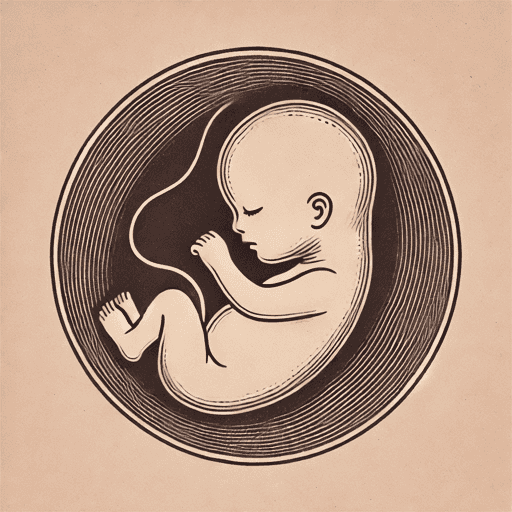
1. What were your initial reactions to the novel’s unusual narrator, an unborn child? Did the perspective enhance or distract from your reading experience? Did your opinion change as the novel progressed?
2. How did the tone of the novel strike you overall? Did you find it more tragic, darkly comic, philosophical, or suspenseful? Why?
3. After finishing the novel, what aspect of the story (such as the plot, narrator, themes, or style) has stayed with you the most? Why?
Personal Reflection and Connection
Encourage readers to connect the book’s themes and characters with their personal experiences.
1. The narrator spends much of the novel reflecting on the world he is about to enter. Did his observations about modern life resonate with you in any way? What observation(s) in particular made you reflect on something new or reconsider how you already viewed it?
2. Have you ever experienced a situation where you felt unable to intervene, just as the narrator struggles with his feelings of powerlessness? How do his experiences resonate with your own?
3. Have you ever felt torn between two people you love who are in conflict, as the narrator does with Trudy and John? How did you handle this situation?
4. Discuss a time when you were heavily influenced by greed or desire. How did you overcome its pull, or did you give in? What aspects of Nutshell would you remember if you were ever in that situation again?
Societal and Cultural Context
Examine the book’s relevance to societal issues, historical events, or cultural themes.
1. The narrator learns about the world through news broadcasts and podcasts, often reflecting on global political crises. Why do you think McEwan included these broader world events in the novel? What statement do you think he is making about the current world?
2. In what ways does the novel portray contemporary connection, whether romantic, familial, or platonic, as complicated or unstable? What do you believe this reflects about personal relationships in the modern world?
Literary Analysis
Dive into the book’s structure, characters, themes, and symbolism.
1. How are Trudy, Claude, and John characterized through the narrator’s perceptions? Do you consider the narrator to be a reliable observer?
2. In what ways does the womb resemble the ancestral home where the story takes place? How do these settings impact the narrator’s growth and development?
3. In a discussion of consciousness as a survival mechanism, the narrator remarks, “God said, Let there be pain. And there was poetry. Eventually” (45). How do you understand this claim? How does it fit in with the novel’s broader depiction of poetry?
4. What kinds of internal conflicts does the narrator face? How does their resolution, or lack thereof, impact the development of the narrator’s character?
Creative Engagement
Encourage imaginative and creative connections to the book.
1. Discuss how the story would change if it were told from the perspective of another character, such as Trudy, Claude, or John.
2. Imagine the narrator several years in the future reflecting on these events. How might his understanding of the situation evolve as he grows older? How would he feel about his mother and Claude, if they’re still in his life?
3. If you were adapting Nutshell into a film, how would you represent the narrator’s point of view visually? What challenges would you face in creating his character, and how might you address them?

Get in-depth, chapter-by-chapter summaries and analysis from our literary experts.
- Grasp challenging concepts with clear, comprehensive explanations
- Revisit key plot points and ideas without rereading the book
- Share impressive insights in classes and book clubs