John of John
John of John
A modern alternative to SparkNotes and CliffsNotes, SuperSummary offers high-quality Study Guides with detailed chapter summaries and analysis of major themes, characters, and more.
Summaries & Analyses
Author Insights
Quizzes
NEWReading Tools
Book Club Questions
General Impressions
Gather initial thoughts and broad opinions about the book.
1. How did the long, detailed journey from Edinburgh to Falabay in the opening chapters affect your reading experience? Did it effectively establish the novel’s tone and themes of isolation and return for you?
2. Douglas Stuart’s debut novel, Shuggie Bain (2020), also explores a son’s complex relationship with a parent against a backdrop of Scottish poverty and social judgment. If you’ve read it, how did you find the father-son dynamic in this novel similar to or different from the mother-son relationship in Shuggie Bain? If you haven’t, what about this novel’s overall emotional impact stood out to you most?
3. The novel is filled with powerful elements. What aspect was the most memorable or impactful for you—the vivid depiction of the island landscape, the intense family drama, the details of Harris Tweed weaving, or something else entirely? What made that particular element resonate so strongly with you?
Personal Reflection and Connection
Encourage readers to connect the book’s themes and characters with their personal experiences.
1. Cal’s return home, prompted by his father’s lie, forces him to confront his complicated feelings about Falabay. How did you connect with his experience of being both an insider and an outsider in a place he once called home?
2. The novel portrays a deep conflict between loyalty to one’s family and the need to build an authentic life for oneself. Have you ever felt caught between these two pulls? How do you navigate the expectations of your community or family with your personal aspirations?
3. Innes waits decades for John, holding onto a hope for a future that may never arrive. Have you ever had to decide when to hold on to a hope or when to let it go? What did you find compelling or perhaps frustrating about Innes’s patience?
4. Ella uses small acts of defiance, like hiding her sunbed or teaching Cal vulgar words, to carve out a space for herself in a restrictive environment. What are some small ways you’ve seen people assert their individuality when facing overwhelming social pressure? How do these acts of rebellion help preserve one’s sense of self?
5. Cal’s art, particularly his knitting, becomes a private language for him to express the parts of himself he must hide. Do you have a creative outlet or hobby that helps you process your thoughts or express aspects of your identity that you can’t always share publicly?
Societal and Cultural Context
Examine the book’s relevance to societal issues, historical events, or cultural themes.
1. The community in the novel is governed by the strict religious dogma of the ‘Wee Frees,’ which is used to enforce social control. Where do you see similar instances of rigid ideological beliefs being used to regulate social behavior in the world today? What parallels or differences do you notice?
2. Economic decline is shown to hollow out the community, with young people leaving and holiday homes sitting empty. How does this depiction of a rural economy in crisis resonate with challenges faced by small towns or specific industries in your own country or region?
3. The concept of the “islander’s exile” describes the cultural pressure for young people to leave home for opportunities. What other cultures or communities have similar traditions of out-migration? How does this phenomenon shape the identity of both those who leave and those who stay behind?
Literary Analysis
Dive into the book’s structure, characters, themes, and symbolism.
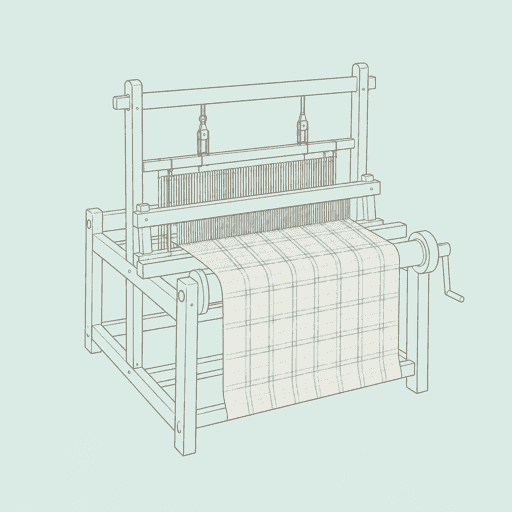
1. Douglas Stuart uses the detailed, technical language of Harris Tweed weaving throughout the novel. How does this focus on the mechanics of the loom and the craft itself help to explore the complex relationship between John and Cal? In what ways does their shared work become a space for connection, conflict, and control?
2. What is the significance of the abandoned Bedford van and the sunken caravan? How do these buried or decaying spaces represent the hidden secrets and repressed desires of the characters and the community at large?
3. John Macleod is both the novel’s primary antagonist and a deeply tragic figure. How did the revelation of his secret, lifelong love for Innes change or complicate your perception of him as a character? Did you find it excused his cruelty toward Cal, or did it make his actions even more tragic?
4. What is the role of Cal’s hair in the story? How does its meaning evolve throughout the novel, from his initial arrival to the moment he asks his father to shear it off, and what does this journey symbolize about his struggle for selfhood?
5. The unforgiving island acts almost as a character, shaping the lives and choices of its inhabitants. Have you read other novels where the setting plays such a critical role, like the moors in Emily Brontë’s Wuthering Heights (1847)? How does Stuart’s use of the Hebridean landscape compare to how other authors use setting to drive the narrative?
6. The narrative alternates between different characters’ perspectives, particularly those of Cal and John. How did this shifting point of view affect your understanding of their conflict? Did you find yourself sympathizing more with one character over another because of it?
Creative Engagement
Encourage imaginative and creative connections to the book.
1. What kind of music would you choose for a film adaptation’s soundtrack? What songs might be on Cal’s Walkman cassettes, and what music could represent the unspoken feelings between John and Innes?
2. The novel ends with Cal alone in the emptied house, his future uncertain. If you were to write a final chapter or an Epilogue, what would it look like? What do you imagine happens to Cal, John, Innes, and Isla a year or five years after the book ends?
3. The story is rich with sensory details, from the smell of lanolin to the sound of the loom and the feel of the Atlantic wind. If you were to create a piece of art inspired by the book—a painting, a photograph, or even a piece of woven fabric—which senses would you focus on capturing, and why?

Get in-depth, chapter-by-chapter summaries and analysis from our literary experts.
- Grasp challenging concepts with clear, comprehensive explanations
- Revisit key plot points and ideas without rereading the book
- Share impressive insights in classes and book clubs