Satantango
Satantango
A modern alternative to SparkNotes and CliffsNotes, SuperSummary offers high-quality Study Guides with detailed chapter summaries and analysis of major themes, characters, and more.
Summaries & Analyses
Quizzes
NEWReading Tools
Book Club Questions
Content Warning: This section of the guide includes discussion of emotional abuse.
General Impressions
Gather initial thoughts and broad opinions about the book.
1. László Krasznahorkai’s prose is known for its long, winding sentences that can span several pages. How did you find the experience of reading this demanding style? Did it immerse you in the novel’s oppressive atmosphere, or did you find it challenging to get through?
2. The villagers’ desperate wait for a savior figure like Irimiás has been compared to other works of literature. How did this dynamic remind you of a story like Samuel Beckett’s Waiting for Godot (1952)? What do you see as the key similarities or differences in their portrayal of hope and hopelessness?
3. Which scene or image from the novel was the most haunting or memorable for you? What made that particular moment stick with you after you finished reading?
Personal Reflection and Connection
Encourage readers to connect the book’s themes and characters with their personal experiences.
1. The novel powerfully illustrates how desperation can make people vulnerable to false prophets. Have you ever witnessed a situation where a group of people, feeling hopeless, placed their faith in a charismatic leader or a promise that seemed too good to be true? What does the story suggest about the human need for saviors?
2. The doctor tries to fend off decay by obsessively documenting the world around him. In your own life, have you ever used activities like journaling, organizing, or list making to feel a sense of control during a chaotic or overwhelming time? How effective do you find these strategies to be?
3. Irimiás’s power comes from his ability to give the villagers a shared sense of purpose, even if it’s based on a lie. Think about a time when you’ve felt a powerful sense of purpose in your own life. What created that feeling, and how did it affect your actions and outlook?
4. Mrs. Schmidt copes with her bleak reality by escaping into elaborate fantasies of a glamorous new life with Irimiás. In what ways do these daydreams serve as both a necessary comfort and a critical vulnerability for her?
5. What did you think of Futaki’s journey from a cynical schemer to one of Irimiás’s most ardent believers? What does his quick conversion suggest about the limits of cynicism when faced with deep despair?
Societal and Cultural Context
Examine the book’s relevance to societal issues, historical events, or cultural themes.
1. Satantango is set during the decline of Hungary’s state socialist system. How does the failed collective farm, with its dilapidated buildings and aimless residents, function as a microcosm of a collapsing political and social order?
2. What does the revelation that Irimiás is an informant for a faceless state bureaucracy suggest about the relationship between charismatic power and institutional control? Does this connection make his manipulation of the villagers seem more or less sinister to you?
3. The novel’s slow, deliberate pace mirrors the “slow cinema” style of Béla Tarr’s film adaptation. How does this pacing challenge the expectations of modern readers, who are often used to faster-moving plots? What effect did the book’s unhurried, immersive quality have on your reading experience?
Literary Analysis
Dive into the book’s structure, characters, themes, and symbolism.
1. The novel is structured like a tango, with chapters moving forward from 1 to 6 and then backward from 6 to 1. How did you experience this cyclical, non-linear structure as a reader? Did it create a sense of inevitability or oppressiveness for you?
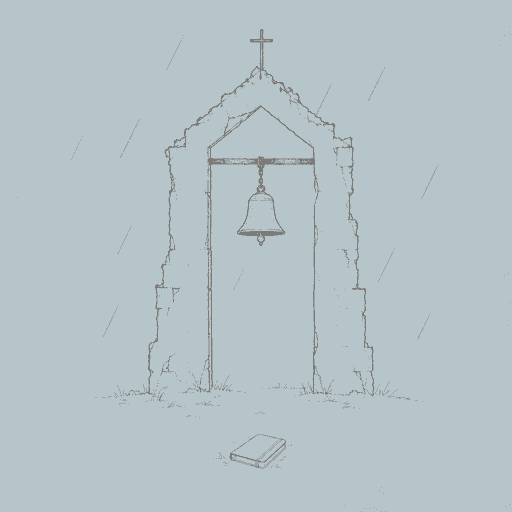
2. What is the significance of the mysterious bells that open and close the story? How does their meaning transform from a symbol of divine hope into one of mundane, human folly once the doctor discovers their source?
3. The incessant rain and mud are more than just background details. How does Krasznahorkai use this oppressive atmosphere to reflect the internal state of the characters and the overarching theme of unstoppable decay?
4. Is Irimiás a purely malevolent figure, a simple con man, or a product of the broken system he operates within? How does his bleak, nihilistic philosophy, revealed late in the book, complicate your understanding of his motivations?
5. Spiders and their webs appear as a recurring motif, culminating in a scene where the sleeping villagers are covered in them. How does this imagery symbolize the different kinds of entrapment the characters face, from natural decay to calculated human conspiracy?
6. What did you make of the meta-narrative twist in the final chapter, where the doctor decides to write the very novel that the reader has just finished reading? How does this self-contained loop reinforce the book’s central themes of cyclical suffering and entrapment?
Creative Engagement
Encourage imaginative and creative connections to the book.
1. Imagine you’re one of the clerks tasked with transcribing Irimiás’s vulgar, handwritten notes into sterile, bureaucratic language. What might be going through your mind as you sanitize his brutal assessments of the villagers into official reports?
2. If you were creating a soundtrack for a new adaptation of Satantango, what kind of music would you choose for key moments? Consider the drunken “satantango” in the bar, Esti’s lonely pilgrimage, and the villagers’ miserable journey to Almássy Manor.
3. Choose one of the villagers after they’ve been dispersed to a menial job in a new town. From their perspective, write a short postcard to another family from the estate. What would they say about their new life, and would they still hold onto hope for Irimiás’s return?

Get in-depth, chapter-by-chapter summaries and analysis from our literary experts.
- Grasp challenging concepts with clear, comprehensive explanations
- Revisit key plot points and ideas without rereading the book
- Share impressive insights in classes and book clubs