The Hunger of the Gods
The Hunger of the Gods
A modern alternative to SparkNotes and CliffsNotes, SuperSummary offers high-quality Study Guides with detailed chapter summaries and analysis of major themes, characters, and more.
Summaries & Analyses
Quizzes
NEWReading Tools
Background
Series Context: The Bloodsworn Saga
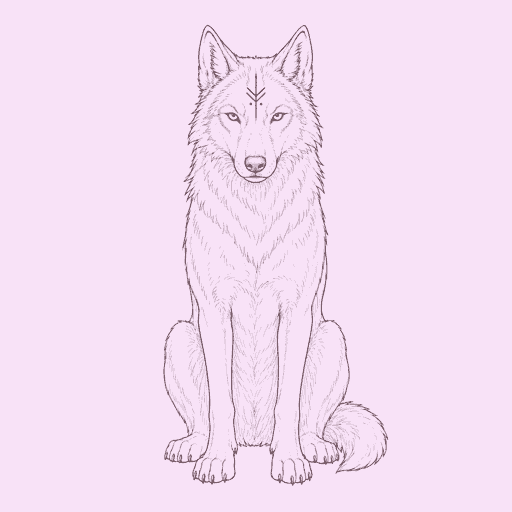
John Gwynne’s The Hunger of the Gods is the second installment in the Bloodsworn Saga, a trilogy that begins with The Shadow of the Gods (2021) and culminates with The Fury of the Gods (2024). The series takes place in the fictional world of Vigrið, a high-fantasy setting modeled on ancient Norse societies and rooted in Gwynne’s experience in a Viking reenactment group in East Sussex, England. After a catastrophic war between the gods nearly destroyed humanity and wiped out the gods themselves, those humans who are descended from the gods are marginalized and enslaved. In The Shadow of the Gods, the former warrior Orka, once known as “the Skullsplitter,” is trying to live a peaceful life with her husband, Thorkel, and young son, Breca, until Breca is abducted in a violent raid that kills most of Orka and Thorkel’s neighbors. As she tracks Breca’s captors, she learns that his kidnapping is connected to the followers of the dragon god Lik-Rifa, who has not been seen since the war of the gods. The second installment, The Hunger of the Gods, continues Orka’s quest to rescue her son, as she reverts to the violent ways she thought she had left behind. Meanwhile, the dragon god has returned, and a band of warriors known as the Battle-Grim, led by the ambitious noblewoman Elvar, resurrects the wolf god Ulfrir to help battle Lik-Rifa. Humans have achieved a tenuous dominance over the world, but the resurgent gods threaten the balance of power.
Historical Context: Norse Thralldom and Social Hierarchy
The world of The Hunger of the Gods is built upon a rigid social hierarchy of jarls (lords), drengrs (warriors), and thralls (enslaved people), a structure rooted in the historical reality of the Viking Age. In historical Norse society, thralls occupied the lowest social class, legally considered property with few, if any, rights. A person could become a thrall through capture in raids, as punishment for a crime, through debt, or by being born to a thralled parent. This system was a cornerstone of the Viking economy; captives were a primary objective of raids and a key commodity in extensive trade networks that stretched from Ireland to the Middle East, with major thrall markets in cities like Dublin and Hedeby. This historical framework provides important context for the novel’s exploration of freedom and bondage. The protagonist Varg begins his journey as a thrall who kills his owner to escape servitude, embodying the desperation of the enslaved. His search for vengeance is also a quest for personhood in a world that views him as chattel. Similarly, the capture and sale of the powerful Berserkir Berak into Jarl Störr’s honor guard, and the mass abduction of “Tainted” children for a magical ritual, directly mirror the historical realities of Viking raids in which captured people were enslaved and traded as commodities. Understanding the brutal mechanics of thralldom illuminates the high stakes of the characters’ struggles for autonomy and the deep-seated class tensions that drive the narrative.
Literary Context: Ragnarök and the Influence of Beowulf
The Hunger of the Gods draws heavily from Norse mythology and the heroic traditions of Old English epic poetry, particularly the myth of Ragnarök and the poem Beowulf. In Norse mythology, Ragnarök is a prophesied apocalypse detailed in poems like the Völuspá from the Poetic Edda. It describes a final, cataclysmic battle where the gods—including Odin, Thor, and Freyr—are destined to die fighting monstrous beings like the wolf Fenrir and the world serpent Jörmungandr. This eschatological event directly inspires the novel’s backstory of the Guðfalla, or “gods-fall,” a divine war that shattered the world and left behind the bones of dead gods. The plot is set in motion by the freeing of the dragon-god Lik-Rifa, an event that parallels the unleashing of monsters that heralds Ragnarök. The novel’s structure, which centers on warrior bands like the Bloodsworn and the Battle-Grim, is influenced by the Anglo-Saxon epic Beowulf, set in 5th- and 6th-century Scandinavia but composed in England between the 7th and 10th centuries. In this epic, Beowulf is a hero of the people known as the Geats who offers his service to Hrothgar, the king of the Danes. Hrothgar’s community has been repeatedly attacked by the monster Grendel. Beowulf kills Grendel and later slays Grendel’s vengeful and even more dangerous mother. The poem is seen as a central example of the epic tradition in that it features a hero who travels far from home and undertakes dangerous tasks largely to prove his valor. The heroes and warbands in Gwynne’s Bloodsworn Saga undertake similar quests, facing supernatural beings who—like the monsters in Beowulf—represent the conflicts between order and chaos and between humanity and nature. This literary context frames the novel as a modern successor to ancient heroic and mythological traditions.

Unlock all 70 pages of this Study Guide
Get in-depth, chapter-by-chapter summaries and analysis from our literary experts.
- Grasp challenging concepts with clear, comprehensive explanations
- Revisit key plot points and ideas without rereading the book
- Share impressive insights in classes and book clubs