The Hunger of the Gods
The Hunger of the Gods
A modern alternative to SparkNotes and CliffsNotes, SuperSummary offers high-quality Study Guides with detailed chapter summaries and analysis of major themes, characters, and more.
Summaries & Analyses
Quizzes
NEWReading Tools
Symbols & Motifs
Thrall-Collars
The thrall-collar is a symbol of subjugation and the brutal social hierarchy that governs Vigrið. This iron ring is the physical manifestation of Enslavement as an Engine of Societal Ruin, representing the loss of freedom, identity, and agency for the Tainted. More than a mere restraint, the collar is a magical tool of control, capable of inflicting pain or compelling obedience through Galdur-runes. Its presence dictates the core conflict of the novel, as Tainted characters are either defined by their servitude or actively fighting against the system that enforces it. The narrative constantly reinforces the collar’s significance through characters like Varg, whose scars serve as a permanent reminder of his past, and Kráka and Ilmur, whose liberation by Biórr precipitates their betrayal of the Battle-Grim. The act of applying a collar is a deep power shift, most shockingly when Elvar, seeking to control the demigod Skuld, declares, “You are my thrall now, your life to be lived in service to me” (23), turning the instrument of oppression against a divine being. This act demonstrates that in Vigrið’s brutal world, even gods are not immune to the chains of servitude, cementing the thrall-collar as the ultimate emblem of power and dehumanization.
The Shield Wall
The shield wall is a recurring motif that represents the warrior ethos of communal loyalty, survival, and collective identity. As a tactical formation, it appears in key battles, but its significance extends beyond military strategy. For warbands like the Battle-Grim and the Bloodsworn, the shield wall is the ultimate expression of their oathsworn bonds. Its strength is not just in the overlapping of shields but in the trust each warrior places in the person beside them. Elvar feels “a swell of pride in her chest, to have stood with the Battle-Grim against such odds” at Oskutreð (14), showing how the shield wall forges a powerful sense of belonging and shared purpose. This formation embodies the idea that survival in the harsh world of Vigrið depends as much on communal strength as on the extraordinary prowess of individual heroes like Elvar and Orka. The integrity of the wall is a direct reflection of the warband’s morale and discipline; when it holds, the warband is united, but when it breaks, it signals not just a tactical failure but a collapse of the collective will. As such, the shield wall motif emphasizes the precarious balance between unity and chaos that defines the warrior life and the violent world these characters inhabit.
The Vaesen and Dead Gods
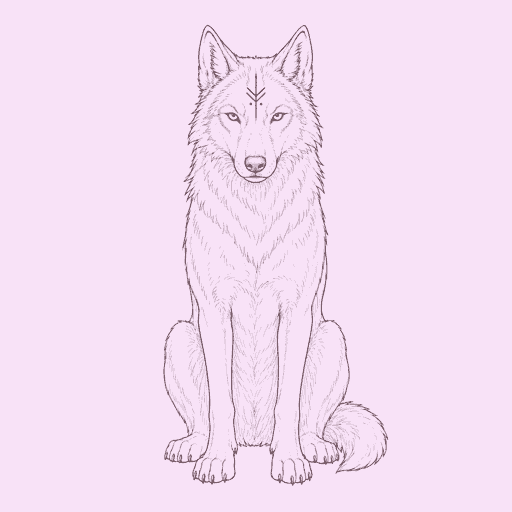
The motif of vaesen—magical creatures created by the dragon-god Lik-Rifa—and resurrected gods embodies the terrifying return of ancient, mythic forces that threaten to annihilate the present world order. The catastrophic reappearance of the dragon-god Lik-Rifa and the resurrection of the wolf-god Ulfrir are not merely plot points but a fundamental reshaping of reality. These events demonstrate that the age of gods is not over but was merely dormant, its apocalyptic power waiting to be unleashed. This re-emergence is directly linked to The Destructive Effects of Prejudice, as the gods’ return is orchestrated by their Tainted descendants, who are marginalized and enslaved by mortals who remember and fear the power of the gods. Myrk, a descendant of Lik-Rifa, captures the world-altering nature of this return when she warns Orka that Lik-Rifa “will change the world. She’s going to eat you” (282). This warning suggests that the tables have turned once again—the humans have treated the descendants of the gods as property, but now the gods will treat the humans as food. The vaesen—creatures like tennúr, frost-spiders, and night-hags—serve as the monstrous foot soldiers of this ancient resurgence, their increasing presence signaling the erosion of human dominance. This motif functions as an apocalyptic force, illustrating that the grievances of the past, whether divine or mortal, will inevitably return to consume the present with destructive consequences.
Drekr’s Seaxes
Drekr’s twin seaxes are a symbol of Orka’s all-consuming quest for retribution, embodying Vengeance as a Self-Perpetuating Cycle. After Orka finds the blades left in her husband Thorkel’s corpse, they become the focal point of her transformation from a mother living in seclusion back into the fearsome warrior known as the “Skullsplitter.” Her mission is centered on the weapons themselves. She tells Glornir, “I have spent the time from that day to this, searching for the man who left them in Thorkel, so that I can give them back to him” (30). The blades represent the burden of her grief and her oath, a constant, tangible reminder of her loss and the blood feud she must fulfill. The discovery that Varg possesses a twin seax forged by the same hand further deepens their symbolic weight, physically linking the novel’s two major vengeance plots. The seaxes are not just tools of violence but carriers of violent purpose, passed from killer to victim and then to avenger, symbolizing the brutal and unending cycle of retribution that defines so much of the narrative.

Unlock the meaning behind every key symbol & motif
See how recurring imagery, objects, and ideas shape the narrative.
- Explore how the author builds meaning through symbolism
- Understand what symbols & motifs represent in the text
- Connect recurring ideas to themes, characters, and events