The Boat
A modern alternative to SparkNotes and CliffsNotes, SuperSummary offers high-quality Study Guides with detailed chapter summaries and analysis of major themes, characters, and more.
Summaries & Analyses
Quizzes
NEWReading Tools
Book Club Questions
General Impressions
Gather initial thoughts and broad opinions about the book.
1. Which of the seven stories in this collection resonated most strongly with you, and what about its characters or circumstances made it so memorable? Did you find a common thread that connected your favorite story to the others in the book?
2. The collection’s opening story, “Love and Honor and Pity and Pride and Compassion and Sacrifice,” directly confronts the expectations placed on writers to create “ethnic literature.” How did this self-aware approach shape your experience of the entire collection? Have you read other story collections that deal with similar themes of identity and storytelling?
3. Thinking about the collection as a whole, what emotional tone did it leave you with? Did you find moments of hope or resilience amidst the stories of trauma and survival, or did you feel the tone was overwhelmingly bleak?
Personal Reflection and Connection
Encourage readers to connect the book’s themes and characters with their personal experiences.
1. In “Love and Honor…,” Nam struggles to understand his father, whose traumatic past has created a deep emotional distance between them. Have you ever felt there was an important story or experience in your own family’s history that was difficult to talk about or fully understand?
2. Several characters, like Ron in “Cartagena” and Nam’s father, make difficult moral compromises to survive in violent or oppressive environments. Think about a time you faced a situation where the “right” choice was not clear. How do you navigate moments when your values seem to conflict with practical necessities?
3. What do you make of Sarah’s decision in “Tehran Calling” to travel across the world to escape her personal heartbreak? Do you believe that changing your physical surroundings can truly help you escape emotional pain, or do we, like many characters in this book, tend to carry our histories with us wherever we go?
4. Jamie, the teenage protagonist of “Halflead Bay,” is intensely worried about how he is perceived by his peers, especially concerning his masculinity and courage. This story explores the pressure to live up to a certain image. Can you recall a time when you felt pressure to perform a certain role or identity to meet the expectations of a community or group?
5. What did you think about the friendship between Sarah and Parvin? Their bond is tested by different life experiences and political realities. Think about a friendship of your own that has had to adapt to change, whether due to distance, differing beliefs, or new life paths.
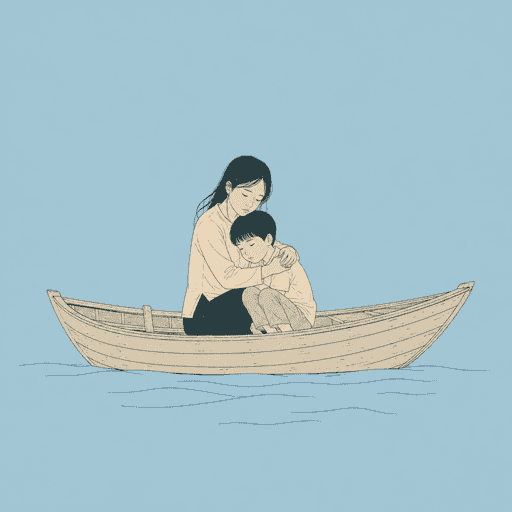
6. In the title story, Mai transforms from a frightened, isolated girl into a compassionate caregiver for young Truong. Has an unexpected responsibility ever prompted a significant change in you or your perspective? If so, compare your experiences to those of Mai; if not, discuss how Mai differs from you.
Societal and Cultural Context
Examine the book’s relevance to societal issues, historical events, or cultural themes.
1. What does the opening story suggest about the literary marketplace’s appetite for stories of trauma, particularly from marginalized communities? Do you think readers and publishers sometimes look for a specific kind of “authentic” narrative, and what might be the consequences for writers like the fictional Nam?
2. How does “Cartagena” depict the ecosystem of violence in Medellín, where teenagers like Ron become sicarios? What does the story say about the ways that systemic poverty and a history of conflict can shape a young person’s choices and sense of honor?
3. In “Tehran Calling,” activists plan to use the cover of the religious festival of Ashura for a pro-democracy rally. What does this reveal about the complex relationship between political dissent, religious tradition, and cultural identity in contemporary societies?
Literary Analysis
Dive into the book’s structure, characters, themes, and symbolism.
1. Unlike a novel, a short story collection asks readers to build connections across separate narratives. Did your understanding of earlier stories change as you continued through the collection? How did reading the stories together differ from reading them individually?
2. What roles do storytelling and art play across the collection? Compare the way art is used by Nam the writer, Henry the painter, and Truong the singer. Do these creative acts preserve memory, reshape identity, provide healing, or serve another purpose entirely?
3. How did you react to the often ambiguous or tragic endings of these stories, such as Ron’s final standoff or Mai’s arrival in a new land immediately following Truong’s death? What might these unresolved conclusions suggest about the nature of survival?
4. The story “Hiroshima” is told from the innocent perspective of a seven-year-old girl, which creates a powerful dramatic irony. How does this narrative choice compare to other works that use a child’s viewpoint to explore historical atrocities, like John Boyne’s The Boy in the Striped Pajamas? How does Mayako’s perspective shape the story’s impact?
5. Several male protagonists, including Nam, Ron, Jamie, and Henry, struggle to reconcile who they are with who they believe they should be. Which character’s internal conflict did you find most compelling, and how does Le use characterization to make that struggle believable?
6. The ocean appears repeatedly throughout the collection, but often in very different contexts. Why do you think Le returns to this image so often? Discuss any other recurring images, settings, or objects that you found just as significant.
Creative Engagement
Encourage imaginative and creative connections to the book.
1. If you could add an eighth story to The Boat, where in the world would you set it? What kind of character and crisis would you create to explore the book’s central themes of escape, survival, and legacy?
2. Imagine you’re adapting one of these stories for a film. Which would you choose, and why? What specific challenges might you face in translating the story’s internal conflicts and atmosphere to the screen?

Get in-depth, chapter-by-chapter summaries and analysis from our literary experts.
- Grasp challenging concepts with clear, comprehensive explanations
- Revisit key plot points and ideas without rereading the book
- Share impressive insights in classes and book clubs