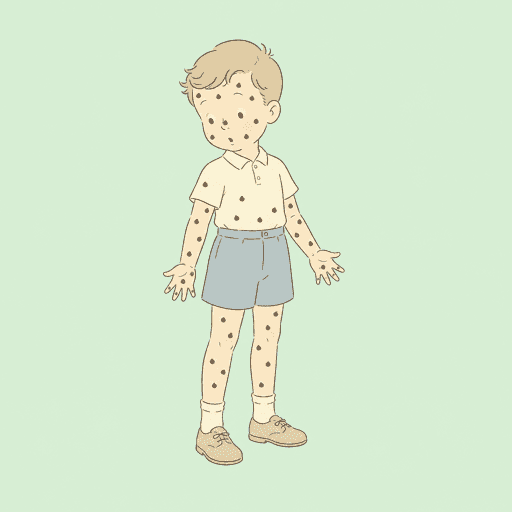
Chocolate Fever
A modern alternative to SparkNotes and CliffsNotes, SuperSummary offers high-quality Study Guides with detailed chapter summaries and analysis of major themes, characters, and more.
Summaries & Analyses
Quizzes
NEWReading Tools
Book Club Questions
Content Warning: This section of the guide includes discussion of racism, bullying, and illness.
General Impressions
Gather initial thoughts and broad opinions about the book.
1. What was your initial reaction to Henry’s case of “Chocolate Fever”? Did you find the story’s blend of realistic childhood feelings and fantastical events to be charming, unsettling, or something else entirely?
2. The novel fits into the “candy cautionary tale” genre from the mid-20th century. How did Chocolate Fever remind you of, or differ from, similar books such as Roald Dahl’s Charlie and the Chocolate Factory (1964)?
3. Think about the overall tone of the book. In what ways does the story balance moments of genuine fear and isolation with scenes of comedy? Which moments stood out to you as particularly effective?
Personal Reflection and Connection
Encourage readers to connect the book’s themes and characters with their personal experiences.
1. When have you experienced having “too much of a good thing” in your own life? How did that experience compare to Henry’s more fantastical consequences, and what did it teach you about moderation?
2. Mac’s compassion is transformative for Henry, especially when he reframes the boy’s condition as being “unique.” Share a story about a time when someone else’s perspective or an act of kindness helped you see a difficult situation in a new light.
3. Henry’s decision to run away is born from fear, but the journey forces him to become more self-reliant and resourceful. When has an unexpected challenge in your own life pushed you to grow in ways you didn’t anticipate?
4. Dr. Fargo is more interested in the novelty of Henry’s disease than in Henry as a person. Can you recall a time when you felt misunderstood or seen as a problem to be solved rather than a person to be heard? How did you navigate that situation?
Societal and Cultural Context
Examine the book’s relevance to societal issues, historical events, or cultural themes.
1. Mac tells Henry that “black is beautiful” (63), drawing a parallel between the stares that he gets as a Black man and the attention that Henry gets for his spots. How did you react to this comparison? What does this moment reveal about the book’s 1970s cultural context and its attempt to convey a message of inclusivity?
2. The story presents a spectrum of reactions to Henry’s unusual appearance, from the bullies’ cruelty to Nurse Farthing’s compassion. What do these different responses suggest about how society often treats people who are visibly different or dealing with illness?
3. Knowing that the author’s own childhood experience with a long-term illness inspired the story, how does this biographical detail shape your interpretation of Henry’s journey?
Literary Analysis
Dive into the book’s structure, characters, themes, and symbolism.
1. How do Nurse Farthing and Dr. Fargo function as foils for each other? What might the author be suggesting about medicine by contrasting Nurse Farthing’s compassionate care with Dr. Fargo’s clinical detachment?
2. What is the significance of the vanilla pills as the cure for Chocolate Fever? How does the requirement that Henry must first learn a lesson about moderation change your understanding of his recovery?
3. What purpose do Louie and Lefty serve in the narrative? How does their comically failed crime spree contribute to the book’s overall tone and themes?
4. How did the story’s shift from a medical drama to a road-trip adventure affect your reading experience? What purpose do you think this change in genre serves for Henry’s character development and the story’s message?
5. In what ways do the dogs develop the novel’s structure and the theme of Compassion as an Antidote to Isolation?
6. Henry’s character grows when he confronts the schoolyard bullies. How does his bluff about having a contagious disease mark a turning point in his journey?
Creative Engagement
Encourage imaginative and creative connections to the book.
1. Henry wonders about “Cinnamon Fever” at the end of the novel. If you were to write a sequel, what kind of “fever” would another character develop from overindulgence, and what would the fantastical symptoms be?
2. Imagine you’re in charge of casting a film adaptation of Chocolate Fever. Which actors would you choose for the roles of Henry, Mac, and Alfred “Sugar” Cane, and what makes them the right fit for those characters?
3. If you were to add one more stop for Henry on his journey before he meets Mr. Cane, what kind of character would he meet, and what new lesson might he learn from the encounter?

Get in-depth, chapter-by-chapter summaries and analysis from our literary experts.
- Grasp challenging concepts with clear, comprehensive explanations
- Revisit key plot points and ideas without rereading the book
- Share impressive insights in classes and book clubs