Chocolate Fever
A modern alternative to SparkNotes and CliffsNotes, SuperSummary offers high-quality Study Guides with detailed chapter summaries and analysis of major themes, characters, and more.
Summaries & Analyses
Quizzes
NEWReading Tools
Symbols & Motifs
Content Warning: This section of the guide includes discussion of bullying.
Chocolate
As a motif of The Cost of Overindulgence, chocolate plays a central role in the novel. Initially, chocolate is portrayed as a source of harmless delight for Henry, a substance that “seem[s] to love him” and brings him nothing but joy (16). His diet, which includes chocolate in every conceivable form, establishes him as a boy living in a state of blissful excess. This initial depiction sets the stage for the book’s primary theme by presenting an extreme case of consumption that seems to have no negative side effects. The narrative uses Henry’s love for chocolate to establish a baseline of happiness derived from unlimited gratification, a state that’s ultimately proven to be unsustainable and unhealthy.
The meaning of chocolate transforms as Henry’s indulgence manifests as a disease. What was once a source of pleasure becomes the cause of his physical and social suffering, demonstrating how any good thing can become destructive when consumed without limits. The fever turns his beloved treat into a source of alienation, forcing him to confront the consequences of his overindulgence. Henry’s cure is contingent on him internalizing this lesson. His ultimate decision to choose maple syrup over chocolate syrup for his pancakes signifies a deep shift in his character. This act demonstrates his newfound understanding that true well-being is achieved through self-control, showing Moderation as a Path to Maturity.
The Brown Spots
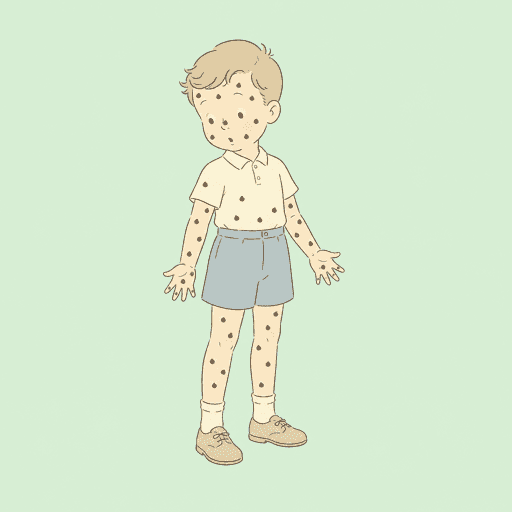
Smith uses the brown spots that appear on Henry’s skin due to Chocolate Fever to investigate the themes of The Cost of Overindulgence and Compassion as an Antidote to Isolation. The freckle-like, cocoa-scented marks transform his private habit of excessive eating into a public spectacle. Before the motif makes its first appearance, Henry’s chocolate consumption is a personal quirk; afterward, it becomes a medical crisis and a source of social alienation. The spots are literally made of pure chocolate, which externalizes his obsession and forces him to confront its consequences. This physical transformation is the engine of the plot, triggering his flight from the hospital and his encounters with a world that is often cruel to those who are different.
The supporting characters’ varying reactions to Henry’s spots continue to explore the theme of compassion. The bullies in the schoolyard see the spots and respond with cruelty, calling him “Mr. Ugly.” In contrast, Mac views the spots with understanding and teaches Henry that differences can be a source of pride. These contrasting responses highlight how appearances can incite either prejudice or empathy. The spots, therefore, function as a litmus test for the characters’ capacity for compassion, revealing that the true affliction isn’t Henry’s unusual condition but the judgment and fear with which others react to it.
Vanilla Pills
The vanilla pills function as a motif of Moderation as a Path to Maturity. As the “exact opposite of chocolate” (85), vanilla represents the introduction of a moderating force into Henry’s life. When Mr. Cane presents the pills, he explains that they’re only the second part of the cure. The first and most important part is the lesson that people “can’t have everything [they] want” (84). This important piece of dialogue establishes that the pills aren’t merely a magical remedy but a physical representation of an internal change. They’re the tangible reward for Henry’s newfound understanding and acceptance of self-control, an idea central to the theme of moderation.
For Henry to be cured, he must first embrace the principle of moderation before the pills can work. By taking them, he actively chooses balance over the singular, obsessive indulgence that caused his fever. The simplicity of the cure reinforces the novel’s message that the solution to life’s excesses is balance rather than total deprivation. The vanilla pills represent the restoration of equilibrium, marking the moment when Henry moves beyond a life ruled by a single, overwhelming desire and begins to appreciate a more varied and balanced existence. His subsequent interest in cinnamon shows that he has learned to explore new pleasures without falling into old patterns of obsession.

Unlock the meaning behind every key symbol & motif
See how recurring imagery, objects, and ideas shape the narrative.
- Explore how the author builds meaning through symbolism
- Understand what symbols & motifs represent in the text
- Connect recurring ideas to themes, characters, and events