It Could Have Been Her
A modern alternative to SparkNotes and CliffsNotes, SuperSummary offers high-quality Study Guides with detailed chapter summaries and analysis of major themes, characters, and more.
Summaries & Analyses
Quizzes
NEWReading Tools
Symbols & Motifs
Thornwood
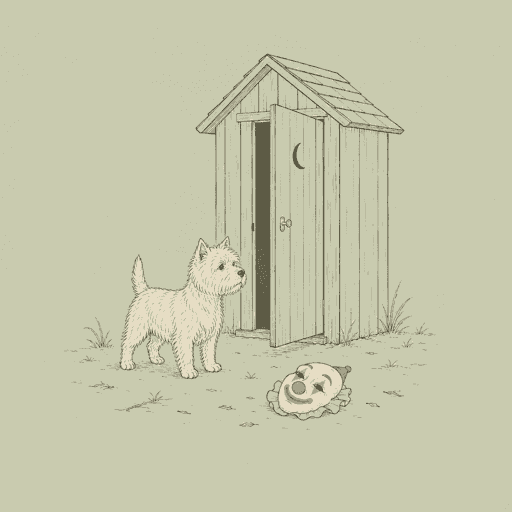
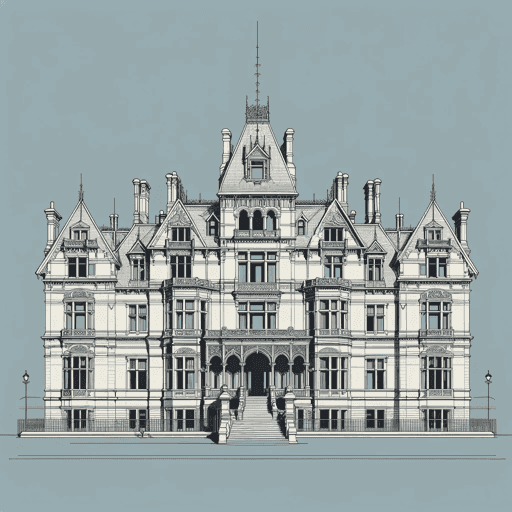
Thornwood, the Black family home symbolizes the stark dichotomy between outward appearances and a monstrous hidden reality, highlighting the novel’s thematic engagement with The Illusion of Middle-Class Respectability. Situated in the exclusive and insular Vale of Health, the cottage appears to be a picturesque, if slightly ramshackle, dwelling at the edge of Hampstead Heath. Jane’s first impression of the house as a young woman captures its sinister isolation, remarking, “It looks like the last house in the world” (12). This description foreshadows its function as a self-contained universe of depravity, cut off from moral scrutiny. The home’s genteel facade conceals a history of abduction, torture, and murder, pointing to the secrets that can fester beneath a veneer of middle-class propriety. The family’s ability to maintain this illusion for decades demonstrates how effectively conventional settings can mask unspeakable evil.
The house’s physical structure contains the layers of the family’s dysfunction: The subterranean cells where Allen committed his atrocities, the main floors where Annie enabled him, and the attic where Jessamine later imprisoned Stuart, perpetuating the cycle of abuse. The building’s progressive decay mirrors the family’s psychological and moral disintegration, rotting from the inside out. Ultimately, Thornwood’s seclusion makes the violence possible, and its hidden spaces—the outhouse, the locked rooms, the secret basement—function as a purpose-built prison, a tomb where the family’s victims and their own humanity are buried.
Clowns and Clown Masks
The recurring motif of clowns and clown masks symbolizes the distortion of innocence and the terrifying reality of a hidden, unchecked impulses. Jewell explores this idea through the character of Jasper lack, whose alter ego, “Patch the Clown,” is a manifestation of deep-seated psychological trauma. The clown persona provides Jasper with a performative mask behind which he can act on the violatory impulses born from witnessing his father’s horrific crimes. The physical mask becomes the instrument of his transformation, allowing him to terrorize women like Avril Christmas without revealing his true identity. This perversion of innocence is a direct result of The Inherited Nature of Trauma, as Jasper’s obsession began as a childish escape but morphed into a conduit for his own destructive impulses.
The clown mask illustrates the separation between oneself and one’s actions. Jasper explains that when he commits his assaults, “it is not me and it is not Patch… it is someone else entirely, a clown without a name who crawls out of me and takes me over and I hate him” (366). This psychological split allows him to compartmentalize his actions, attributing them to a nameless, malevolent entity that wears the clown’s face. The mask is a symbol of a shattered identity.
Dogs
The motif of dogs, particularly the small white Westie named Hugo, represents innocence, unconditional love, and a moral compass in a world saturated with human cruelty and deceit. Hugo’s sudden appearance in Jane’s woods serves as the narrative’s catalyst, a “blast of light” (5) that draws her out of her own isolation and into the dark mystery of the Black family. The characters’ treatment of dogs is a clear indicator of their moral standing. Jane’s deep love for her dogs, whom she considers the “center of her universe” (5), stands in stark contrast to the “messy, ever-changing, often brutal love between a parent and a child” that defines both her past and the Black family’s present (5). Jewell uses Jane’s empathy for animals to signal her heroism.
Conversely, the Blacks’ neglect of Hugo—allowing him to wander off, unfed and untagged—reflects their deep lack of care and moral emptiness. Stuart’s eventual devotion to Hugo, however, aligns him with Jane as a figure of empathy, someone capable of breaking free from the cycle of abuse. The motif reinforces that while human relationships in the novel are fraught with trauma, betrayal, and violence, the bond with a dog offers a pure, uncomplicated love that is a touchstone for goodness. Hugo is a symbol of the innocence that has been violated at Thornwood, and his journey from a neglected animal to a cherished companion charts the story’s path from darkness toward a fragile sense of justice and recovery.

Unlock the meaning behind every key symbol & motif
See how recurring imagery, objects, and ideas shape the narrative.
- Explore how the author builds meaning through symbolism
- Understand what symbols & motifs represent in the text
- Connect recurring ideas to themes, characters, and events
Related Titles
By Lisa Jewell




Featured Collections
Class
View Collection
Class
View Collection
Community
View Collection
Daughters & Sons
View Collection
Family
View Collection
Fathers
View Collection
Fear
View Collection
Good & Evil
View Collection
Mothers
View Collection
Safety & Danger
View Collection
Truth & Lies
View Collection