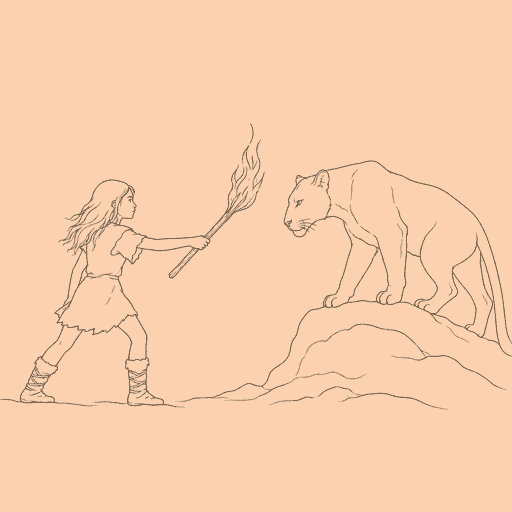
Maroo Of The Winter Caves
Maroo Of The Winter Caves
A modern alternative to SparkNotes and CliffsNotes, SuperSummary offers high-quality Study Guides with detailed chapter summaries and analysis of major themes, characters, and more.
Summaries & Analyses
Quizzes
NEWReading Tools
Book Club Questions
Content Warning: This section of the guide includes discussion of death.
General Impressions
Gather initial thoughts and broad opinions about the book.
1. What was your experience reading about life in the last Ice Age? Did you find the world that Turnbull created to be immersive and believable, and what specific details helped bring this prehistoric setting to life for you?
2. The guide mentions that this novel is often seen as a middle-grade counterpart to more adult prehistoric fiction like Jean M. Auel’s The Clan of the Cave Bear. How does the story’s focus on a young protagonist and family survival shape your experience of the prehistoric setting? Did you feel that this approach enhanced or limited the story for you as a reader?
3. Thinking back on the entire story, which scene or moment has stayed with you the most? Was it a moment of high-stakes survival, a quiet family interaction, or something else entirely?
Personal Reflection and Connection
Encourage readers to connect the book’s themes and characters with their personal experiences.
1. Old Mother makes the difficult choice to send the children on a dangerous mission, telling them that if one is lost, the other must go on. Have you ever been faced with a responsibility that felt overwhelming? How did that experience shape your understanding of duty and sacrifice?
2. Maroo and Otak’s relationship is marked by rivalry, frustration, and deep loyalty throughout their journey. If you have a sibling or someone who feels like family, which aspect of Maroo and Otak’s relationship is most like your own? How has one of your own close relationships changed over time?
3. Maroo and Otak’s decision to adopt the wild pup Rivo is a turning point for the family. Think about a time when you formed a bond with an animal. What did that relationship teach you about trust or companionship?
4. Old Mother serves as an important mentor to Maroo throughout the novel. Think about a wise elder or mentor figure in your own life. What were the most important lessons they passed on to you?
5. Vorka is overcome by grief and trauma after his brother’s death, sinking into a “sickness of the spirit” (65). Have you ever supported someone through grief or another difficult period or experienced one yourself? What helped you or them begin to move forward, and did Vorka’s journey make you reflect on that experience?
6. Maroo frequently has to manage her own fear to lead and survive. When facing a daunting challenge, what strategies do you use to stay calm and focused?
Societal and Cultural Context
Examine the book’s relevance to societal issues, historical events, or cultural themes.
1. The novel dramatizes the scientific theory of how dog domestication might have begun with hunter-gatherers adopting wolf pups. What does the story of Rivo suggest about why early humans may have chosen to form close partnerships with dogs, and what advantages did those relationships offer?
2. How does the book portray the Magdalenian people’s relationship with the natural world? Do you see their worldview, which includes animal spirits and a deep respect for nature’s power, as something our modern society could learn from?
3. Despite its prehistoric setting, the story explores timeless struggles like grief, family responsibility, and sibling conflict. Which aspects of the family’s ordeal felt most universal and relevant to challenges that people still face today?
Literary Analysis
Dive into the book’s structure, characters, themes, and symbolism.
1. How does the sudden death of Areg shatter the family’s sense of security and act as the catalyst for Maroo’s coming of age? In what ways is she forced to step into a leadership role that he once held?
2. The novel contrasts Maroo’s caution with Otak’s impulsivity. How does Otak’s reckless desire to prove himself as a hunter serve as a foil to Maroo, and what do their different approaches reveal about leadership and survival?
3. What makes the White Mountain more than just a physical setting? How does it function as a symbolic testing ground for the children’s courage, ingenuity, and spiritual resilience?
4. How does the author use the recurring motif of fire throughout the narrative? Consider its role as the center of family and community life, a tool for survival, and, ultimately, a means of protection when Maroo confronts the cave lion.
5. In what ways do the family’s stories, rituals, and belief in spirits act as an “emotional anchor” during their journey? How do these traditions provide comfort and a sense of order in the face of chaos and loss?
6. Maroo’s survival depends on her resourcefulness, much like Karana in Scott O’Dell’s Island of the Blue Dolphins. Comparing the two, how do their approaches to using the natural environment for survival differ or align? What do their stories suggest about human ingenuity?
Creative Engagement
Encourage imaginative and creative connections to the book.
1. If you were to create a cave painting depicting Maroo and Otak’s journey, which single event would you choose to illustrate? What symbols would you include to convey the story’s main themes of survival and courage?
2. Imagine you’re a storyteller from Maroo’s tribe, tasked with turning her journey into a legend to be passed down through generations. What would be the title of your story, and what central lesson would you want your audience to take away from her adventure?
3. Picture yourself as Old Mother, preparing Maroo and Otak for their journey. Besides the embers and the deerskin wrap of meat, what single piece of advice or wisdom would you give them before they set out across the White Mountain?

Get in-depth, chapter-by-chapter summaries and analysis from our literary experts.
- Grasp challenging concepts with clear, comprehensive explanations
- Revisit key plot points and ideas without rereading the book
- Share impressive insights in classes and book clubs